
Buy Bulk Peptides Tampa, FL
Buy Bulk Peptides in Tampa, FL: A Practical Buyer’s Guide
If you are searching to buy bulk peptides in Tampa, FL, you are likely comparing suppliers, verifying purity documentation, and trying to understand what “research-grade” actually means before you place a larger order. Tampa’s growing life-sciences and biotech research community—anchored by institutions such as USF Health—has increased demand for reliable peptide sourcing across the region. This guide explains what bulk peptide purchasing involves, how to evaluate a supplier, and the compliance and quality questions worth asking before you commit.
Bulk purchasing is different from buying a single vial. You are typically ordering larger quantities, often for laboratory research, formulation development, or institutional study programs. That shifts the priorities: documentation, cold-chain handling, and supplier accountability matter as much as price per milligram. Below, we break down the essentials so Tampa-area buyers can make informed, defensible decisions.
What “Bulk Peptides” Means in a Research Context
Peptides are short chains of amino acids used widely in laboratory research, analytical testing, and early-stage development work. In a bulk context, suppliers sell larger unit sizes—often measured in grams rather than milligrams—or multi-vial configurations. Bulk orders generally reduce the cost per unit and give research teams a consistent lot to work from over a longer study period.
The term “research-grade” matters here. It signals the material is intended for laboratory use rather than human consumption. Reputable suppliers are explicit about intended use, and buyers in Tampa should treat that labeling as a signal of professionalism, not a marketing detail.
Why Tampa Buyers Are Sourcing Peptides in Larger Volumes
Tampa and the surrounding Tampa Bay area host a mix of university labs, contract research organizations, and independent research groups. When these teams run repeatable experiments, they need consistent material from a single lot to reduce variability between trials. Bulk ordering supports that consistency.
Cost predictability is the second driver. Reordering small quantities repeatedly adds shipping, handling, and administrative overhead. A single bulk shipment can simplify procurement, provided the supplier handles packaging and cold-chain logistics correctly for Florida’s climate.
The Florida Heat Factor
Shipping and storage in a warm, humid market like Tampa deserves specific attention. Peptides are generally sensitive to heat, light, and moisture. Ask how a supplier packages bulk orders for warm-weather destinations and confirm whether lyophilized (freeze-dried) material is shipped with appropriate desiccant and insulation. If you plan to store material locally, invest in proper refrigeration or freezer capacity before delivery.
How to Vet a Bulk Peptide Supplier
Supplier quality is the single biggest variable in bulk purchasing. A low price means little if documentation is thin or lot consistency is unreliable. Use the checklist below as a framework when comparing vendors.
Certificates of Analysis and Third-Party Testing
Request a Certificate of Analysis (CoA) for the specific lot you are buying, not a generic sample. A useful CoA identifies the compound, lot number, purity result, and the analytical method used—typically high-performance liquid chromatography (HPLC) and mass spectrometry. Independent third-party testing adds credibility because it separates the seller’s claims from verifiable data. You can read more about analytical methods through NIST, which publishes reference standards and measurement guidance.
Purity Claims and What They Actually Mean
Purity percentages should always be tied to a stated test method. A “99% pure” claim without an accompanying chromatogram or method description is difficult to verify. Ask for the actual analytical report and confirm the lot number matches your order.
Documentation and Chain of Custody
Bulk orders should arrive with traceable lot documentation. If you are purchasing on behalf of an institution, your procurement or compliance office may require records showing where the material came from and how it was handled. Suppliers who cannot provide this are a risk.
Handling and Storage Guidance
A professional supplier provides clear storage instructions—typically temperature ranges and light-protection guidance—along with reconstitution notes where relevant. If a vendor is vague about handling, treat that as a warning sign. For general laboratory safety context, the NIH maintains extensive research and biosafety resources.
Pricing, Minimum Order Quantities, and What Drives Cost
Bulk peptide pricing varies widely based on compound, quantity, purity grade, and testing depth. Rather than quoting specific figures—which change frequently and depend on your exact specification—it is more useful to understand the levers that affect cost.
- Quantity tier: Most suppliers discount as order size increases, but the tiers vary. Compare total landed cost, including shipping insurance and cold-chain fees.
- Purity grade: Higher-purity material costs more because it requires additional synthesis and purification steps.
- Testing depth: Custom or expanded third-party testing adds cost but strengthens your documentation.
- Lot size and availability: Rare or custom compounds carry longer lead times and higher prices.
Minimum order quantities (MOQs) also differ. Some vendors require a gram-level minimum for bulk pricing; others are flexible. Confirm MOQs in writing before assuming a quoted rate applies.
Comparing Quotes Fairly
When you request quotes from multiple suppliers, standardize the request: specify compound, quantity, purity target, required documentation, and shipping destination. That way, each quote reflects the same scope. A quote that looks cheaper may simply exclude testing or cold-chain packaging. For a broad overview of the peptide landscape and terminology, Wikipedia offers a useful starting reference, though it should not replace supplier documentation.
Ordering Bulk Peptides in Tampa: A Step-by-Step Approach
A structured process reduces risk and makes internal approvals easier. Consider this sequence:
- Define your specification. Confirm the exact compound, quantity, purity target, and required documentation with your research lead.
- Screen suppliers. Check whether the vendor publishes CoAs, states intended use clearly, and handles warm-weather shipping.
- Request lot-specific documentation. Ask for the CoA tied to the lot you will receive.
- Confirm logistics. Verify shipping method, packaging, insurance, and expected transit time to Tampa.
- Inspect on arrival. Check packaging integrity, lot numbers, and documentation before storing material.
Building a Repeatable Procurement Record
For institutional buyers, keep a simple file for each order: the quote, the CoA, the lot number, and the storage record. This makes future reorders faster and supports any audit or internal review. If your organization has compliance requirements, loop in procurement early rather than after the order ships.
Compliance and Intended-Use Considerations
Peptides sold for research are not approved drugs, and labeling matters. Buyers should confirm that products are explicitly labeled for laboratory research use and are not marketed with human-consumption claims. Suppliers who blur that line create risk for the buyer.
Tampa buyers affiliated with universities or healthcare organizations should also follow their institution’s procurement and safety policies. Those internal rules often exceed general expectations, so confirm requirements before ordering. For regulatory context on how research materials are handled in the United States, official FDA guidance is the appropriate primary source.
Red Flags to Watch For
- No lot-specific Certificate of Analysis
- Vague or missing storage instructions
- Human-consumption or therapeutic claims on research products
- Prices dramatically below market without explanation
- No clear business identity or contact information
Where HK Peptides Worldwide Fits
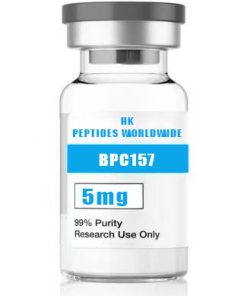
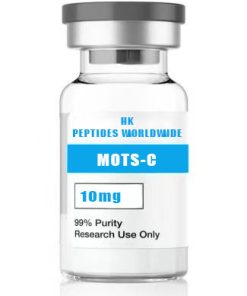
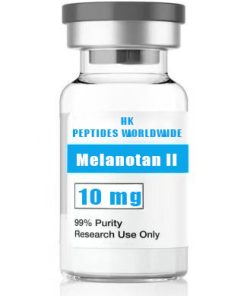
For buyers comparing options, HK Peptides Worldwide positions itself around research-focused peptide supply with documentation and clear intended-use labeling. As with any supplier, verify lot-specific testing and cold-chain handling for Tampa delivery before ordering. You can review the product range and specifications to confirm compounds, quantities, and available documentation match your research requirements.
The practical approach is to treat any supplier—including this one—as one input in a structured evaluation. Request the CoA, confirm the lot, and ask about warm-weather shipping. A supplier confident in its documentation will answer those questions directly.
Frequently Asked Questions
Is it legal to buy bulk peptides in Tampa, FL?
Research-grade peptides are generally sold for laboratory use, and legality depends on the specific compound and its intended use. Buyers should confirm the product is labeled for research purposes and comply with applicable federal and institutional rules. For compound-specific questions, consult official FDA guidance or a qualified professional.
What purity should I expect from bulk peptides?
Purity varies by compound, grade, and supplier. Rather than relying on a headline percentage, ask for the lot-specific CoA showing the HPLC result and test method. Compare like-for-like specifications across quotes.
How are bulk peptides shipped to Tampa in hot weather?
Reputable suppliers use insulated packaging, desiccant, and sometimes cold packs depending on the compound. Confirm the shipping method and expected transit time before ordering, and inspect packaging on arrival.
What documentation should come with a bulk order?
At minimum, expect a lot-specific Certificate of Analysis, storage instructions, and clear intended-use labeling. Institutional buyers may also need traceability records for procurement and compliance files.
Can I store bulk peptides long-term?
Storage depends on the compound, but most peptides require protection from heat, light, and moisture, often with refrigeration or freezing. Follow the supplier’s specific guidance and document storage conditions.
How do I compare bulk peptide suppliers fairly?
Standardize your request across vendors—same compound, quantity, purity, documentation, and destination—then compare total landed cost rather than headline price. Documentation quality should weigh heavily in the decision.
Research Grade Peptide
Research Grade Peptide

Research Grade Peptide
Research Grade Peptide
Research Grade Peptide
Research Grade Peptide
Research Grade Peptide
Research Grade Peptide