
Bulk Peptide Distribution
Bulk Peptide Distribution: A Practical Guide for U.S. Buyers
Bulk peptide distribution sits at the intersection of procurement, cold-chain logistics, and regulatory compliance. Whether you run a research laboratory, a compounding-adjacent supply operation, or a sourcing desk that purchases peptides in volume, the difference between a smooth order and a costly failed shipment usually comes down to preparation. This guide explains how bulk distribution works in the United States, what to verify before you buy, and how to protect product integrity from warehouse to bench.
For readers comparing suppliers, the HK Peptides Worldwide product catalog is a useful reference point for the types of materials and formats commonly traded in bulk. The larger lesson, though, is universal: bulk procurement rewards buyers who know what questions to ask.
What Bulk Peptide Distribution Actually Means
Bulk distribution refers to the wholesale supply of peptides in quantities larger than single-use retail vials—typically gram-scale or multi-vial lots. Distributors source from manufacturers, verify and repackage materials, and ship them to buyers who need a reliable, repeatable supply rather than one-off purchases.
The model differs from retail in three important ways:
- Volume and pricing structure. Orders are larger, and per-unit costs depend on quantity, purity grade, and packaging format.
- Chain-of-custody requirements. Bulk shipments demand better documentation, including certificates of analysis (COAs) and lot tracing.
- Logistics complexity. Temperature control, customs handling, and carrier selection matter far more when a single order represents a significant investment.
Who Buys in Bulk?
The most common bulk buyers include academic and contract research organizations, analytical testing labs, and distributors that break lots into smaller units. Buyers in these categories generally need consistent specifications across lots so that results remain comparable over time.
Why Cold-Chain Logistics Decide the Outcome
Peptides are sensitive to heat, light, and moisture. Most bulk distribution relies on lyophilized (freeze-dried) powder, which tolerates ambient shipping better than reconstituted solutions but still benefits from controlled conditions. Distributors commonly use insulated packaging, gel packs, and overnight or two-day service to limit exposure.
Buyers should confirm several logistics details before ordering:
- Shipping method and transit time. Ask which carrier is used and what happens if a shipment is delayed.
- Temperature documentation. Some distributors include temperature indicators; others do not.
- Seasonal adjustments. Summer shipments to hot U.S. states often require extra ice or faster service.
Poor handling during transit is one of the most common causes of product degradation, and it is rarely visible on arrival. A distributor that can explain its cold-chain process in plain language is usually a safer partner than one that cannot.
Vetting a Bulk Peptide Supplier
Supplier due diligence is the core of smart bulk buying. A credible distributor should be able to answer questions about sourcing, testing, and storage without hesitation.
Documentation to Request
- Certificate of analysis for each lot, showing purity, identity confirmation, and testing method (commonly HPLC and mass spectrometry).
- Third-party testing records, ideally from an independent laboratory rather than only in-house results.
- Safety data sheets (SDS) and handling guidance for each material.
- Lot numbers and traceability that connect the shipped product to its test results.
Questions Worth Asking
Ask how the distributor stores inventory, how it handles retests or stability monitoring, and what its policy is for resolving a disputed specification. A supplier that offers clear resolution terms signals confidence in its quality control. You can review how one supplier frames these commitments on the HK Peptides Worldwide quality and sourcing page.
Red Flags
Be cautious of prices that fall far below market norms, vague or missing COAs, pressure to skip documentation, and claims that sound too broad to verify. In the U.S. market, suppliers should also be transparent about how their materials may lawfully be used and sold.
Regulatory and Compliance Considerations in the United States
Regulation of peptides is genuinely complicated, and it varies by substance and intended use. Some peptides are approved as prescription drugs; others are regulated as research chemicals; still others fall under restrictions set by agencies such as the FDA or appear on schedules maintained by the DEA. State-level rules can add further requirements.
Because the legal status of individual peptides changes over time, buyers should verify current rules directly with primary sources rather than relying on a supplier’s marketing copy. The U.S. Food and Drug Administration and the Drug Enforcement Administration publish official guidance and scheduling information. The National Library of Medicine’s PubChem database is a useful reference for compound identity and basic properties.
For bulk buyers, compliance also means keeping purchase records, confirming that the intended use matches how the material is labeled, and ensuring staff understand handling and storage requirements. Documentation is not paperwork for its own sake—it is the record that protects your organization if questions arise later.
Cost, Packaging, and Order Planning
Bulk pricing usually improves with quantity, but the cheapest per-milligram rate is not always the best value. Consider the full landed cost: shipping, cold-chain packaging, testing documentation, and the risk of unusable material.
Practical planning steps include:
- Match format to workflow. Vials, bulk powder containers, and pre-measured aliquots each suit different laboratory setups.
- Order realistic quantities. Peptides have finite stability windows, so stockpiling beyond your usage rate adds risk rather than savings.
- Confirm packaging compatibility. Some materials require amber glass or inert-atmosphere sealing to protect against light and oxidation.
- Plan receipt. Have storage ready—typically a freezer at the temperature the supplier specifies—before the shipment arrives.
Distributors that support custom lot sizes, documentation packages, or scheduled replenishment make repeat purchasing much easier. Buyers who need recurring supply can explore bulk peptide distribution options that align with their order cadence.
Frequently Asked Questions
What is bulk peptide distribution?
It is the wholesale supply of peptides in larger quantities—often gram-scale or multi-vial lots—to laboratories, researchers, and downstream distributors, typically with certificates of analysis and cold-chain shipping.
How do I verify peptide purity in a bulk order?
Request the lot-specific certificate of analysis showing the test method and results, and consider independent third-party testing for high-value orders. HPLC purity percentages should be paired with identity confirmation such as mass spectrometry.
Do bulk peptide shipments need cold-chain handling?
Most lyophilized peptides ship at ambient or controlled room temperature in insulated packaging, but transit time and seasonal heat matter. Always follow the storage temperature specified by the supplier once the product arrives.
Are peptides legal to buy in bulk in the United States?
It depends on the specific peptide and its intended use. Some are prescription drugs, some are research chemicals, and some face DEA scheduling. Verify current status with official FDA and DEA sources before purchasing.
How should bulk peptides be stored on arrival?
Store at the temperature the supplier specifies—commonly frozen or refrigerated for long-term storage—protected from light and moisture. Keep lot records with the stored material so test results remain traceable.
What should I do if a bulk shipment arrives compromised?
Document the condition immediately with photos, note any temperature indicators, and contact the supplier under its stated resolution policy. Prompt reporting and clear records are the strongest basis for a replacement or credit.
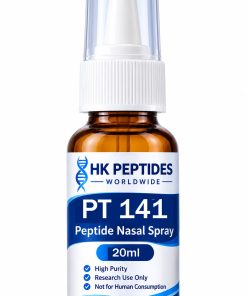
Research Grade Peptide
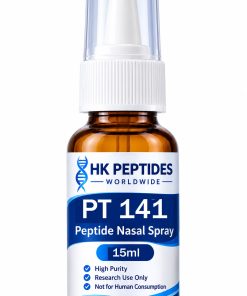
Research Grade Peptide
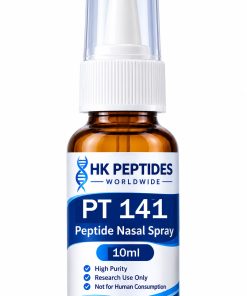
Research Grade Peptide
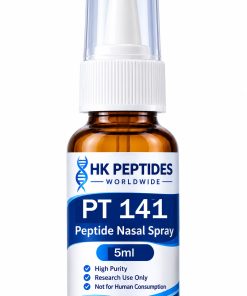
Nasal Spray Peptide
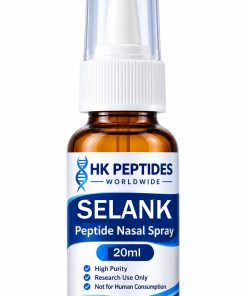
Nasal Spray Peptide
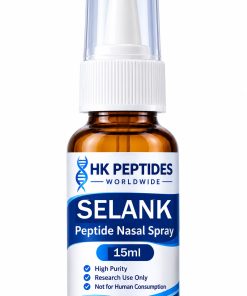
Nasal Spray Peptide
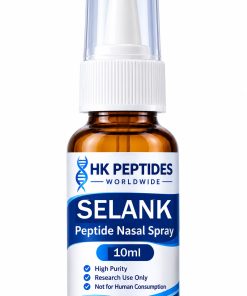
Nasal Spray Peptide
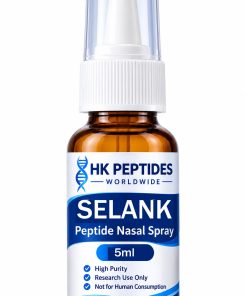
Nasal Spray Peptide
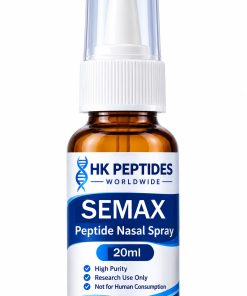
Research Grade Peptide
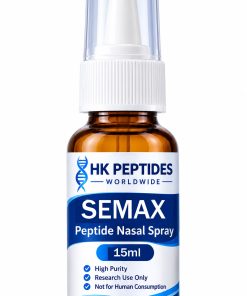
Nasal Spray Peptide
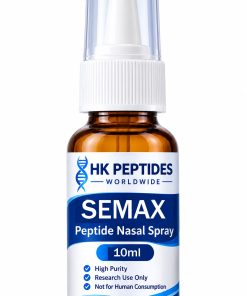
Nasal Spray Peptide
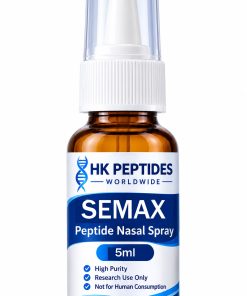
Nasal Spray Peptide