
Buy Bulk Peptides Los Angeles, CA
Buy Bulk Peptides in Los Angeles, CA: A Practical Buyer’s Guide
If you want to buy bulk peptides in Los Angeles, CA, the fastest path to a good outcome is to confirm three things before you pay: what the peptide is, how it was made and tested, and whether the seller can document both. Los Angeles buyers have plenty of options, from research supply houses to local labs and distributors, but the market also rewards careful vetting. This guide explains what “bulk” really means, how to compare suppliers in the LA area, what paperwork to request, and how to avoid the most common mistakes. It is written for researchers, lab managers, and procurement staff who need consistent, documented material rather than a one-off purchase.
What Buying Bulk Peptides in Los Angeles Actually Involves
Buying peptides in bulk is different from buying a single vial. Bulk orders usually involve larger quantities, custom vial sizes, multi-unit cases, or recurring shipments. In Los Angeles, that can mean anything from a small research lab restocking a few compounds to a distributor building inventory for regional clients.
The word “bulk” is also used loosely online. Some sellers apply it to any order above a few units. Others reserve it for gram-scale quantities of raw peptide or large case packs of finished vials. Before you compare prices, confirm which definition the seller uses. That single question prevents most misunderstandings about cost per milligram and minimum order quantities.
Los Angeles adds its own logistics layer. The region has a dense life-sciences corridor, major ports, and busy air cargo hubs, so domestic and imported supply both move through the area. That variety is an advantage, but it also means quality standards vary widely between sellers.
How to Vet a Peptide Supplier in Los Angeles
Vetting separates a reliable supplier from a reseller with a polished website. Use the same short checklist for every candidate, and keep written records of what each one provides.
Certificates of Analysis and Third-Party Testing
Ask for a certificate of analysis (COA) for the specific lot you will receive, not a generic sample. A useful COA lists the peptide name, batch or lot number, purity result, the testing method (such as high-performance liquid chromatography, or HPLC), and the date. Independent third-party testing carries more weight than in-house results alone.
Match the lot number on the COA to the lot number on the product you receive. If the seller cannot connect the document to the shipment, treat the COA as marketing material rather than evidence.
Facility Standards and Documentation
Reputable suppliers can describe where material is manufactured and how it is handled. Look for documented quality-control processes, clear storage and handling instructions, and a stated policy on sterility where relevant. For research use, confirm that products are labeled accordingly.
In the United States, peptide products intended for human use fall under Food and Drug Administration oversight, and rules differ sharply from research-use materials. Buyers should understand which category a product belongs to before ordering. The FDA website is the authoritative source for current rules.
Local Presence and Responsiveness
A Los Angeles supplier should be easy to reach during Pacific Time business hours. Test responsiveness before you commit to a large order by asking a specific technical question. Fast, accurate answers about testing methods or storage conditions signal a team that knows its product. Vague replies or pressure to buy immediately are warning signs.
Bulk Peptide Pricing and What Drives Cost
Price per vial tells you very little on its own. A more useful measure is cost per milligram at the quantity you actually need, including shipping and any handling fees. Ask each supplier for a quote at your target quantity so you compare like with like.
Several factors move bulk pricing:
- Purity level. Higher-purity material usually costs more and may matter for sensitive work.
- Quantity and packaging. Larger orders and standardized case packs often lower the unit cost.
- Testing depth. Comprehensive third-party testing adds cost but reduces risk.
- Shipping and handling. Cold-chain or expedited delivery in Southern California can add meaningful expense.
- Lead time. Rush orders typically carry premiums.
Be cautious with prices far below the market. Extremely low pricing often reflects skipped testing, unclear sourcing, or short-filled vials. A modest premium for documented quality is usually the better value.
Storage, Handling, and Shipping in Southern California
Los Angeles heat is a real factor in peptide integrity. Many peptides require cool, dry storage, and some need frozen conditions or protection from light. Confirm the recommended storage conditions in writing, and check that shipping methods match them.
For local pickup or same-day courier delivery, ask how the product is kept cold in transit. For shipments across the region or nationwide, confirm packaging materials and delivery timelines. If a package arrives warm or damaged, document it immediately and contact the supplier before opening sealed vials.
Proper handling after delivery matters just as much. Store material as directed, avoid repeated freeze-thaw cycles, and record receipt dates. Good recordkeeping supports reproducibility in research settings and makes future orders easier to specify.
Research Use, Compliance, and Buyer Responsibility
The peptide market includes research chemicals, cosmetic ingredients, and regulated drug products, and each category carries different legal obligations. Buyers in Los Angeles should confirm what they are purchasing and that its intended use matches their credentials and facilities.
Research-use products are typically labeled “not for human consumption.” That labeling is not a formality. Using such material outside its stated purpose can create legal and safety problems for the buyer.
For regulatory questions, rely on primary sources rather than forum posts. The FDA publishes guidance on compounding and on products marketed without approval, and the Federal Trade Commission monitors health claims in advertising. Checking these sources before a large purchase is a sensible step for any organization.
Questions to Ask Before You Buy Bulk Peptides in Los Angeles
A short, direct questionnaire filters suppliers quickly. Send the same questions to every candidate and compare answers side by side.
- Can you provide a lot-specific COA with third-party purity testing?
- What is the minimum order quantity, and how is bulk priced at my target volume?
- Where is the material manufactured, and how is it stored before shipment?
- What shipping method do you use for Los Angeles deliveries, and how is temperature controlled?
- What is your return or resolution policy if a shipment fails to match its documentation?
- Are you able to support recurring orders with consistent lots?
Suppliers who answer all six clearly and in writing are easier to trust with larger commitments.
Common Mistakes to Avoid
Most problems in bulk peptide buying trace back to a few repeated errors. Watch for these:
- Buying on price alone. The cheapest quote often hides missing testing or unclear sourcing.
- Accepting a generic COA. A document that does not match your lot proves little.
- Skipping the label check. Confirm intended-use labeling before the order ships.
- Ignoring storage requirements. Heat and improper handling can compromise material before you use it.
- Ordering too much too soon. Start with a smaller quantity from a new supplier, verify quality, then scale up.
- Relying on unverified claims. Marketing language about benefits is not a substitute for documentation.
Building a Reliable Local Supply Relationship
Once you find a supplier that documents its work well, treat the relationship as an asset. Consistent lots reduce variability in your work, and a known contact speeds up problem resolution. Ask whether the supplier can reserve inventory or set up a recurring order schedule.
Keep simple records: lot numbers received, COA files, storage conditions, and any issues. When you need to scale up or bring in a second supplier for redundancy, those records make the process faster and give you real data for comparison.
Los Angeles buyers also benefit from regional networking. University research offices, local biotech associations, and trade groups can point toward suppliers with solid reputations. Peer experience is useful context, though it should never replace your own verification of documents.
Frequently Asked Questions
Is it legal to buy bulk peptides in Los Angeles?
It depends on the peptide and its intended use. Research-use materials, cosmetic ingredients, and FDA-regulated drugs fall under different rules. Confirm the category of your product and that your intended use is permitted before ordering.
What does “bulk” mean for peptide orders?
Sellers use the term differently. It can mean larger vial counts, case packs, gram-scale raw material, or simply orders above a minimum threshold. Ask each supplier how it defines bulk and what the minimum order is.
How do I verify peptide purity?
Request a lot-specific certificate of analysis that states the purity result and the testing method, ideally from an independent lab. Then confirm that the lot number on the COA matches the product you received.
Why do peptide prices vary so much between suppliers?
Purity, testing depth, packaging, sourcing, and shipping all affect cost. Compare cost per milligram at your target quantity, and treat unusually low prices as a reason to ask more questions rather than a bargain.
Can I get local delivery in Los Angeles?
Many area suppliers offer local pickup or courier delivery. Ask how temperature is controlled during transit, especially for peptides that require cold storage.
How should I store bulk peptides after delivery?
Follow the supplier’s written storage instructions. Many peptides need cool, dry, dark conditions, and some require freezing. Avoid repeated freeze-thaw cycles and record receipt and storage details.
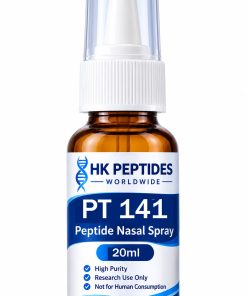
Research Grade Peptide
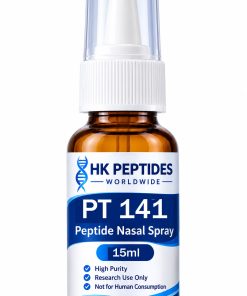
Research Grade Peptide
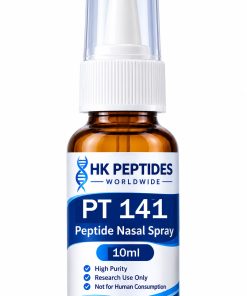
Research Grade Peptide
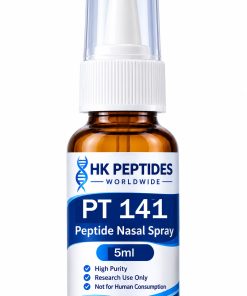
Nasal Spray Peptide
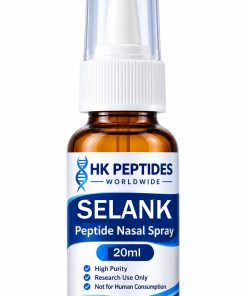
Nasal Spray Peptide
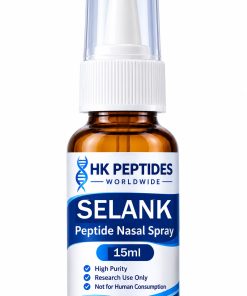
Nasal Spray Peptide
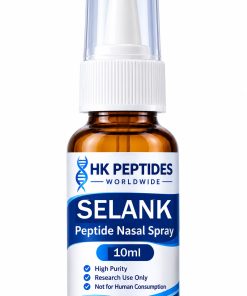
Nasal Spray Peptide
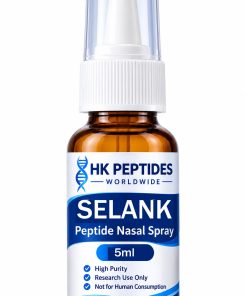
Nasal Spray Peptide
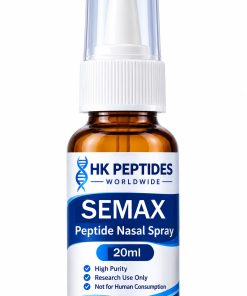
Research Grade Peptide
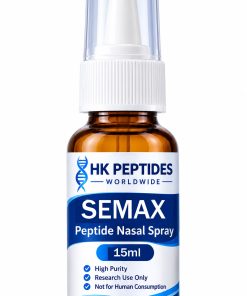
Nasal Spray Peptide
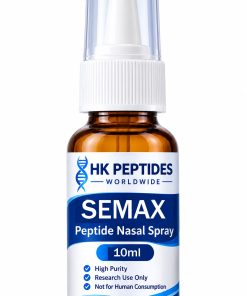
Nasal Spray Peptide
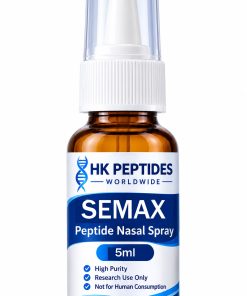
Nasal Spray Peptide