
Buy Bulk Peptides Fort Smith, AR
Buy Bulk Peptides Fort Smith, AR: A Practical Buyer’s Guide for Labs and Clinics
Research teams, compounding-adjacent laboratories, and independent distributors searching for bulk peptides in Fort Smith, AR are usually trying to solve the same problem: source larger quantities without sacrificing documentation, consistency, or cold-chain integrity. This guide explains how the buying process works, what to verify before you wire funds, and how to compare suppliers serving the Fort Smith area and the wider Arkansas market.
Fort Smith sits at the junction of Arkansas and Oklahoma along Interstate 40, which makes it a natural distribution point for inbound research materials. That geography also means buyers here can work with regional carriers and national suppliers alike. The real differentiator, however, is rarely logistics. It is evidence—certificates of analysis, batch traceability, and storage discipline. Suppliers such as HK Peptides Worldwide publish these details upfront, and the best purchasing decisions start with reading them closely.
What Buying Bulk Peptides Means in Practice
“Bulk” is a flexible term in this market. For one buyer it means a 10-vial kit; for another it means multi-gram quantities of a single sequence. Most suppliers tier pricing by quantity, so the per-unit cost drops as order size climbs. The tradeoff is that larger orders also raise the stakes on verification—you are committing more capital to a single batch.
Bulk peptides are typically sold as lyophilized (freeze-dried) powder. This format is stable at room temperature for short periods, resists degradation better than liquid solutions, and reconstitutes cleanly when the time comes. Buyers who need reconstituted material often prefer to handle that step themselves to control concentration and sterility.
Who Typically Orders in Bulk
The most common bulk buyers fall into a few recognizable groups:
- Academic and independent research labs ordering reference materials for assay work
- Analytical testing facilities that need consistent standards across multiple runs
- Distributors and resellers serving smaller regional buyers
- Quality and formulation teams evaluating candidate compounds before scaling
If you are ordering for personal use rather than institutional research, note that most reputable suppliers restrict sales to qualified buyers and label products as research-use-only. Plan for that verification step.
Why Fort Smith Buyers Should Vet Suppliers Carefully
The peptide market has grown faster than its regulatory oversight, and buyers in the Fort Smith area are not immune to the resulting noise. Some sellers advertise “pharmaceutical grade” without documentation, and others ship product with no batch number at all. A little diligence eliminates most of that risk.
The Documents That Matter
Before placing a bulk order, request and review:
- Certificate of Analysis (CoA) tied to the specific lot number you will receive—not a generic sample.
- High-performance liquid chromatography (HPLC) data showing purity, usually expressed as a percentage.
- Mass spectrometry results confirming molecular identity and weight.
- Storage and handling instructions for the compound in question.
A legitimate supplier will send these without friction. Hesitation or vague answers are a signal to look elsewhere.
Purity, Identity, and Batch Consistency
Purity figures in the high 90s are common for research peptides, but the number alone tells only part of the story. Ask how purity is measured, whether contaminants are quantified, and whether the supplier retains samples from each batch for retesting. Consistency between batches matters more than any single impressive figure, especially if you are running longitudinal experiments.
How to Compare Bulk Peptide Pricing Fairly
Price comparisons fall apart when suppliers quote different units. One vendor may list cost per vial; another per milligram; a third per kit. Convert everything to a common unit before drawing conclusions.
Also account for the costs that sit outside the invoice:
- Shipping speed and method—express cold-chain shipping usually costs more
- Packaging fees for insulated containers and gel packs
- Minimum order quantities that force larger commitments than you need
- Payment terms, including any card or wire fees
A slightly higher sticker price can be the cheaper option once these factors are included. Request a full quote with shipping to a Fort Smith ZIP code so the comparison is apples to apples.
Reading a Quote Line by Line
Ask each supplier for a written quote that separates product cost, packaging, shipping, and insurance. Confirm the quantity in milligrams or grams, not just vial count. If a quote mentions “units” without defining them, get clarification in writing. This single habit prevents most bulk-order disputes.
Shipping Peptides to Fort Smith and the River Valley
Fort Smith’s location on I-40 gives it strong carrier coverage, and most national suppliers can reach the area within two to four business days. Perishable or heat-sensitive compounds should travel with temperature control, particularly during Arkansas summers when daytime highs routinely exceed 90°F.
Track your shipment and avoid leaving packages on a porch for hours. If your facility cannot guarantee someone will receive the delivery, arrange to hold it at a carrier location. Upon arrival, inspect packaging for damage and confirm that cold packs are still effective before accepting the order.
Storage After Delivery
Lyophilized peptides generally keep best in a freezer at the temperatures specified by the supplier, protected from light and moisture. Allow vials to reach room temperature before opening to prevent condensation from degrading the powder. Label everything with lot number and receipt date so later reference is simple.
Red Flags When Sourcing Bulk Peptides
Certain warning signs appear repeatedly across the market. Watch for suppliers who:
- Refuse to share lot-specific testing data
- Quote prices far below the prevailing market without explanation
- Cannot describe their manufacturing or sourcing chain
- Use pressure tactics or countdown timers on checkout pages
- Ship without temperature control for heat-sensitive compounds
None of these is automatically disqualifying, but each warrants a direct question. A supplier with nothing to hide will answer plainly and quickly. Buyers can review product and documentation practices to see what transparent disclosure looks like.
Local Versus National Sourcing
Fort Smith buyers have two broad options: a regional supplier within driving distance or a national vendor shipping in. Local sourcing shortens transit time and simplifies returns, but the pool of nearby suppliers is limited and may not cover niche compounds. National suppliers offer wider catalogs and often deeper quantity discounts.
A hybrid approach works well for many labs: keep a national supplier for standard catalog items and identify a regional backup for urgent needs. Document both relationships, including account numbers and lead times, so a supply interruption does not stall your work.
Questions to Ask Any Supplier
Whether local or national, these questions surface useful answers:
- What is your average lead time to Arkansas?
- How do you handle a batch that fails your own quality check?
- Can you provide references from institutional buyers?
- What is your policy on damaged or temperature-compromised shipments?
Record the answers. Over time, they build a reliable picture of which vendors actually deliver.
Regulatory and Compliance Considerations
Peptides occupy a complicated regulatory space in the United States. Many are sold explicitly for research use and are not approved for human consumption. The FDA has taken enforcement action against certain peptide products marketed as alternatives to approved drugs, so buyers should understand how a compound is classified before ordering.
Institutional buyers typically layer internal controls on top of federal rules: approved-vendor lists, purchase-order documentation, and chain-of-custody records. Independent researchers should at minimum keep invoices and CoAs on file. For current guidance on research chemicals and unapproved drugs, consult the U.S. Food and Drug Administration directly rather than relying on supplier marketing. The National Center for Biotechnology Information maintains literature on individual peptide sequences and their studied effects.
Building a Reliable Bulk Supply Chain
Smart sourcing is a process, not a single transaction. Start with a small trial order to evaluate documentation quality, packaging, and communication before committing to volume pricing. Then formalize what you learn.
Practical Steps for New Buyers
- Define the compounds, quantities, and purity thresholds you need.
- Shortlist three suppliers and request quotes with lot-specific CoAs.
- Place a small test order with the strongest candidate.
- Verify the material on arrival—visually, and through third-party testing if your protocol allows.
- Negotiate bulk pricing and payment terms once reliability is confirmed.
This sequence costs a little time upfront and saves considerably more when a large order goes wrong.
Managing Multiple Batches
When you maintain inventory across lots, record receipt date, lot number, and purity result for each. Rotate stock so older material is used first. Retest if a vial has been open for an extended period or stored outside recommended conditions. Treat your peptide inventory with the same discipline as any other controlled laboratory reagent.
Cost Factors That Influence Bulk Pricing
Several variables move the price of a bulk peptide order. Quantity is the most obvious, but not the only one. Sequence length and synthesis complexity affect manufacturing cost. Purity requirements above the standard range add processing steps. Packaging format—single vials versus kits—changes handling and shipping expenses.
Seasonal demand also plays a role. Ordering well ahead of a busy research cycle often secures better terms than last-minute purchasing. Buyers who can forecast their needs for a quarter or more generally negotiate from a stronger position. Ask about volume tiers and whether pricing is locked for a defined period.
Frequently Asked Questions
Are bulk peptides legal to purchase in Arkansas?
Many research peptides can be purchased legally for laboratory and research purposes, but legality depends on the specific compound and its regulatory status. Some peptides are restricted or have been subject to FDA enforcement. Verify the classification of any compound before ordering and consult qualified legal or compliance guidance for your situation.
How much can I save by buying in bulk?
Savings vary by supplier and compound, but tiered pricing commonly reduces per-unit cost as order size increases. Request a written quote at two or three quantity levels to see the actual curve. Factor in shipping and packaging before concluding that the largest order is the best value.
What purity should I expect from bulk research peptides?
Purity in the high 90s is typical for well-manufactured research peptides, confirmed by HPLC. The exact figure depends on the compound and synthesis method. Always match the purity stated on the CoA to the specific lot you receive, and confirm how it was measured.
How long does shipping to Fort Smith take?
Most national suppliers reach Fort Smith within two to four business days via major carriers, thanks to direct access to Interstate 40. Cold-chain or temperature-sensitive orders may take slightly longer or require expedited service. Confirm the shipping method and expected transit time in writing before ordering.
How should I store bulk peptides on arrival?
Store lyophilized peptides in a freezer at the temperature the supplier specifies, away from light and moisture. Let vials equilibrate to room temperature before opening to avoid condensation. Record lot numbers and receipt dates, and follow any compound-specific handling notes included with the shipment.
Can I return a bulk peptide order?
Return policies vary widely and often exclude opened vials for safety and quality reasons. Read the policy before purchasing and confirm what happens if a shipment arrives damaged or warm. Reputable suppliers typically resolve documented shipping problems, so keep photos and tracking records.
Final Checklist Before You Order
Buying bulk peptides in Fort Smith, AR, rewards preparation. Confirm the compound’s regulatory status, request lot-specific analytical documentation, compare quotes on a like-for-like basis, and plan for temperature-controlled delivery and proper storage. Start small, verify quality, then scale.
That approach protects your budget and your research. For buyers who prioritize documented quality and clear communication, HK Peptides Worldwide is a reasonable starting point for a first quote—and a fair benchmark against which to measure the alternatives.
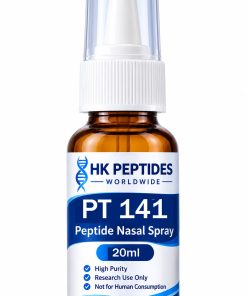
Research Grade Peptide
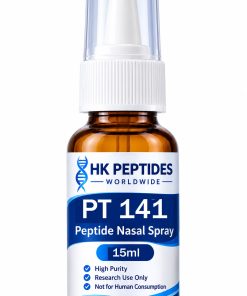
Research Grade Peptide
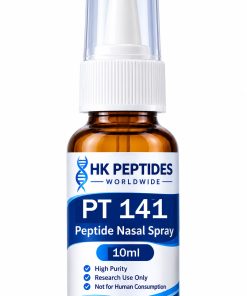
Research Grade Peptide
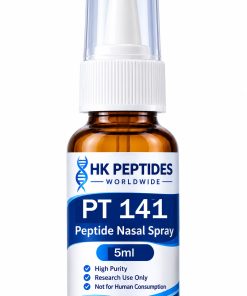
Nasal Spray Peptide
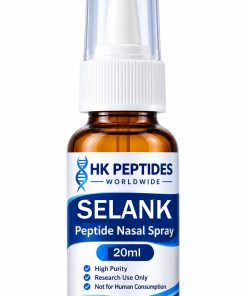
Nasal Spray Peptide
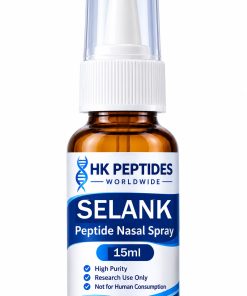
Nasal Spray Peptide
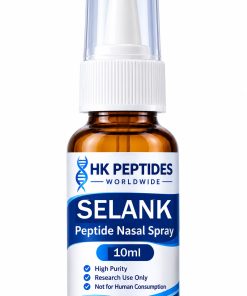
Nasal Spray Peptide
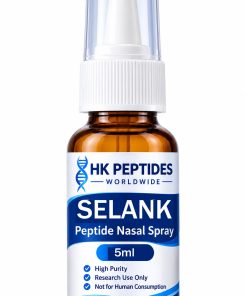
Nasal Spray Peptide
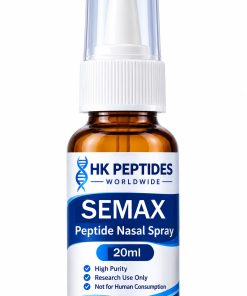
Research Grade Peptide
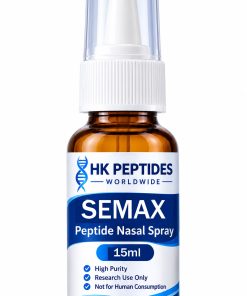
Nasal Spray Peptide
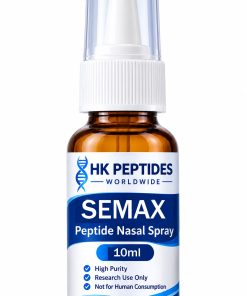
Nasal Spray Peptide
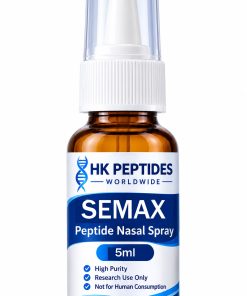
Nasal Spray Peptide