
Buy Bulk Peptides Birmingham, AL
Buy Bulk Peptides in Anchorage, AK: A Practical Guide for Researchers and Buyers
If you are ready to buy bulk peptides in Anchorage, AK, the key decisions come down to supplier verification, purity testing, cold-chain shipping, and a written return or reshipment policy. Anchorage sits far from most U.S. peptide suppliers, so delivery speed and temperature control matter as much as price per vial. This guide walks through how to evaluate a bulk peptide supplier, what to check before you pay, and how to understand the research supply process before your first order.
Alaska buyers face a different logistics picture than customers in the contiguous 48 states. Air routes into Ted Stevens Anchorage International Airport help, but a vial that spends two days on a tarmac in winter cold or summer heat can degrade. Choosing a supplier that anticipates those conditions is where most successful bulk purchases begin.
What “Bulk Peptides” Usually Means in the Research Market
In the research chemical market, “bulk” can refer to three different purchase types. Understanding which one you need prevents a mismatched order.
- Multi-vial quantities of a single peptide: often five, ten, or more vials of the same compound and strength.
- Larger single vials: higher milligram quantities per vial, such as 5 mg or 10 mg rather than 2 mg.
- Research kits: bundled vials intended for a defined study plan or reconstitution batch.
Most Anchorage buyers searching for bulk peptides fall into the first category. They want a reliable per-vial price, consistent lot numbers, and enough inventory to complete a full experimental cycle without reordering.
It also helps to know how peptides are labeled and what a Certificate of Analysis actually contains. For context on why analytical documentation matters, the National Center for Biotechnology Information hosts a large body of peer-reviewed research on peptide synthesis and characterization.
Why Anchorage Buyers Need a Different Checklist
Anchorage is one of the few major U.S. cities where shipping distance is a genuine research variable. A supplier based in the Midwest might ship ground to Chicago in a day and to Anchorage in four to six business days. That gap changes what you should ask.
Three Anchorage-specific questions matter:
- How does the supplier ship into Alaska? USPS Priority Mail, FedEx, and UPS all serve Anchorage, but transit times vary by season and by hub.
- Does the packaging include insulation and a temperature indicator? Most lyophilized (freeze-dried) peptides are stable at ambient temperature, but extreme cold or heat still affects quality.
- Is reshipment covered if a package is lost or delayed? A clear policy matters more for Alaska deliveries than for same-state shipments.
Peptides in lyophilized form are generally more shipping-tolerant than reconstituted ones. That is one practical reason most bulk orders arrive as powder rather than liquid.
How to Vet a Bulk Peptide Supplier
Supplier quality varies widely in this market, and price alone tells you very little. Use the following checks as a filter before you commit to a bulk order.
Third-Party Certificates of Analysis
A credible supplier provides a Certificate of Analysis (COA) for the specific lot you receive, not just a sample COA posted on a product page. Look for:
- High-performance liquid chromatography (HPLC) purity results
- Mass spectrometry (MS) confirmation of molecular weight
- The testing laboratory’s name and the report date
- A lot or batch number that matches your vials
If the COA cannot be matched to your lot, treat it as marketing material rather than documentation.
Labeling and Storage Guidance
Good labels include the peptide name, quantity in milligrams, lot number, storage temperature, and a clear statement that the product is for research use only. Suppliers who give specific storage guidance — typically refrigeration for long-term storage and protection from light and moisture — are usually more careful operators.
Payment, Privacy, and Order Support
Bulk orders involve larger sums than single-vial purchases. Confirm how payment is processed, whether order confirmation is immediate, and how to reach support if something goes wrong. A supplier that answers pre-sale questions clearly usually answers post-sale questions the same way.
You can review the supply and ordering details for a given supplier before committing to a bulk quantity.
Cost Factors That Shape Bulk Peptide Pricing
The per-vial price drops as quantity rises, but the total cost of a bulk order includes more than the sticker price. Budget for these components:
| Cost factor | What to expect |
|---|---|
| Per-vial price | Lower at higher quantities |
| Shipping to Alaska | Higher than lower-48 rates, especially expedited |
| Cold-chain packaging | Sometimes included, sometimes an add-on |
| Payment processing | Varies by method |
| Reshipment risk | Covered only if the supplier’s policy says so |
A cheaper supplier with no clear reshipment policy can cost more than a slightly pricier one that stands behind delivery. That is especially true for a $400 bulk order that never arrives intact.
Popular Peptide Categories in Research Supply
Buyers researching bulk peptides in Anchorage typically look across a few broad categories. The list below is descriptive of the market, not a recommendation for any specific use.
- Growth hormone-releasing peptides: studied in endocrine and metabolic research.
- Healing and tissue-repair peptides: studied in wound-healing and recovery models.
- Metabolic and weight-research peptides: studied in energy-balance and glucose research.
- Cosmetic and skin-research peptides: studied in dermatological models.
- Nootropic-adjacent peptides: studied in cognitive and neurological research.
If you are new to this market, start with a small single-vial order to evaluate labeling, packaging, and COA quality before scaling to bulk. That one step prevents most disappointing purchases.
For background reading on how peptides are studied and regulated in the United States, the U.S. Food and Drug Administration publishes guidance on drug and biologic products. Many research peptides fall outside approved therapeutic categories, which is why the “research use only” label is common.
Shipping Peptides to Anchorage: What to Plan For
Anchorage delivery has a few practical quirks worth planning around.
Transit Times and Cutoffs
Most suppliers quote two to five business days to Anchorage after order processing. Ordering early in the week reduces the chance of a shipment sitting in a weekend hub. During winter storm season, build in extra days.
Temperature and Weather
Lyophilized peptides tolerate ambient shipping well, but prolonged exposure to extreme cold or heat is still a concern. In summer, avoid shipments that sit in a delivery truck for hours; in winter, avoid extended unheated transit. A tracking number and prompt pickup on arrival solve most of this.
Rural Alaska and Freight Forwarders
Buyers outside Anchorage often use a freight forwarder or a local pickup point. If that is your plan, confirm with the supplier that intermediate addresses are acceptable and that the reshipment policy still applies.
You can check current shipping options and policies before you finalize a bulk order.
Legal and Compliance Considerations
Research peptides occupy a gray zone in U.S. regulation. Some peptides are approved as prescription drugs; others are sold strictly as research chemicals. The label matters: “not for human consumption” and “for research use only” are legal markers, not decorative text.
Before buying bulk peptides in Alaska, confirm:
- The product is labeled for research use.
- You are purchasing for legitimate research purposes.
- Any local or institutional rules that apply to your lab, business, or storage situation.
The Alaska Department of Health publishes general public health information, though it does not specifically regulate research peptide sales. When in doubt about a specific compound, consult a qualified professional rather than relying on a product page.
Reconstitution and Handling Basics
If your bulk order includes lyophilized vials, handling practice affects how far your supply goes.
- Use appropriate diluent: bacteriostatic water is common in research settings, though the correct diluent depends on the peptide and the protocol.
- Store reconstituted vials cold: refrigeration slows degradation once a peptide is in solution.
- Avoid repeated freeze-thaw cycles: aliquot if your protocol calls for multiple sessions.
- Keep records: lot numbers, reconstitution dates, and storage conditions support reproducibility.
These steps are standard research hygiene, not product-specific instructions. Always follow the protocol associated with your study.
Common Mistakes Anchorage Buyers Make
Most disappointing bulk orders trace back to a handful of avoidable errors.
- Chasing the lowest price. A 20% discount disappears if the vials arrive warm, mislabeled, or without a matching COA.
- Ignoring lot matching. A COA for a different batch does not verify your vials.
- Ordering bulk before a test order. A single-vial trial reveals packaging quality and delivery speed.
- Skipping the reshipment conversation. Alaska deliveries have more failure points than lower-48 deliveries.
- Overestimating stability. Peptides are durable, but protein-based compounds are not indestructible.
A short pre-order checklist — COA, lot number, shipping method, reshipment policy, storage plan — covers most of the risk.
Sample Pre-Order Checklist for Bulk Peptides
Use this list before you confirm a bulk peptide order shipped to Anchorage:
- Supplier provides lot-matched COAs with HPLC and MS data
- Product labels include quantity, lot number, and research-use-only statement
- Shipping method and transit time to Anchorage are confirmed
- Temperature packaging is described in writing
- Reshipment and return policy is clear
- Payment method is secure and documented
- Storage plan is ready before the package arrives
Working through this checklist takes about ten minutes. It is the single highest-value step in the entire buying process.
Frequently Asked Questions
Is it legal to buy bulk peptides in Anchorage, Alaska?
It depends on the specific peptide and its intended use. Many research peptides are sold as research chemicals labeled “not for human consumption,” while others are regulated as prescription drugs. Buyers should confirm the product’s status and their intended use before ordering.
How long does peptide shipping to Anchorage take?
Most suppliers quote two to five business days after processing, though weather and carrier routing can extend that. Ordering early in the week and tracking the package helps avoid weekend delays.
Do peptides need to be refrigerated during shipping?
Lyophilized peptides are generally stable at ambient temperature for standard transit times. Extreme heat or cold can still affect quality, so insulated packaging and prompt delivery are worth prioritizing for Alaska shipments.
What should I look for in a bulk peptide supplier?
Look for lot-matched Certificates of Analysis with HPLC and mass spectrometry data, clear research-use labeling, specific storage guidance, transparent shipping terms, and a written reshipment policy. Answers to pre-sale questions are a good indicator of post-sale support.
Is buying in bulk cheaper?
The per-vial price is usually lower at higher quantities, but total cost includes shipping to Alaska, packaging, and payment processing. Compare total landed cost rather than unit price alone.
Can I return bulk peptides if something is wrong?
Return policies vary by supplier. Before ordering, confirm how the supplier handles damaged, delayed, or mislabelled shipments, and get the policy in writing where possible.
Bottom Line for Anchorage Buyers
Buying bulk peptides in Anchorage rewards the same discipline as anywhere else, with two Alaska-specific additions: verify the supplier’s shipping and reshipment terms for remote delivery, and confirm lot-matched testing documentation before you scale up. Start with a small order, read the COA carefully, and let packaging quality and support responsiveness guide your bulk purchase. That sequence protects both your budget and the integrity of your research.
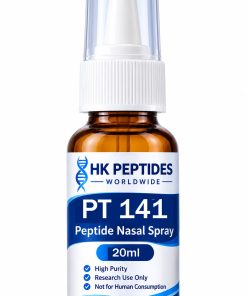
Research Grade Peptide
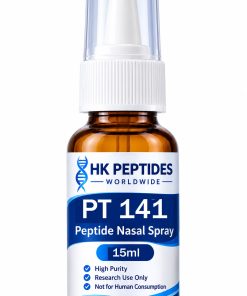
Research Grade Peptide
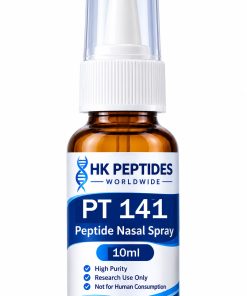
Research Grade Peptide
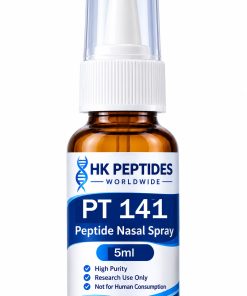
Nasal Spray Peptide
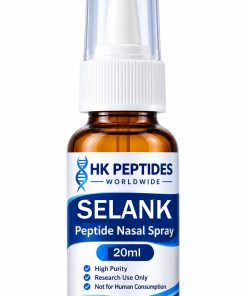
Nasal Spray Peptide
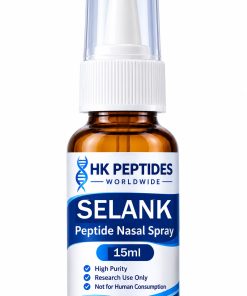
Nasal Spray Peptide
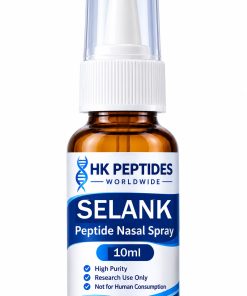
Nasal Spray Peptide
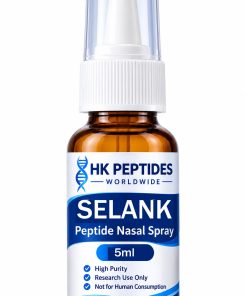
Nasal Spray Peptide
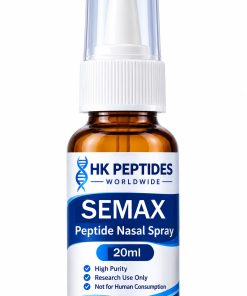
Research Grade Peptide
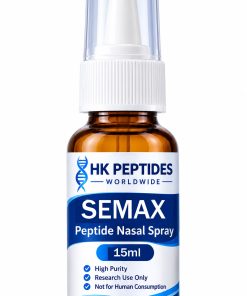
Nasal Spray Peptide
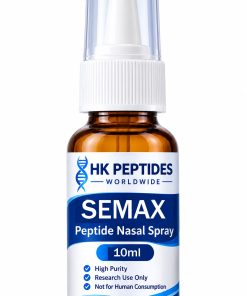
Nasal Spray Peptide
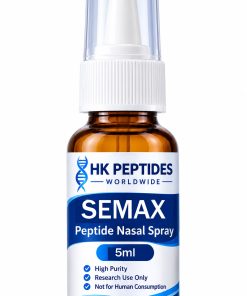
Nasal Spray Peptide