
Buy Bulk Peptides Fayetteville, AR
Buy Bulk Peptides in Fayetteville, AR: A Practical Buyer’s Guide
If you plan to buy bulk peptides in Fayetteville, AR, the smartest first step is confirming supplier legitimacy, documentation, and shipping terms before price ever enters the conversation. Northwest Arkansas buyers—researchers, lab managers, fitness professionals, and independent distributors—face the same core challenge: sourcing research-grade compounds from vendors that publish clear specifications. This guide explains what to verify, how bulk pricing typically works, and how local logistics affect your order through a supplier such as HK Peptides Worldwide.
The city’s growing life-sciences and university-adjacent research community keeps demand steady for lyophilized peptides, laboratory supplies, and volume purchasing. Whether you are restocking a lab freezer or comparing distributor options, the buying process rewards preparation over speed.
Why Fayetteville Buyers Are Sourcing Peptides in Bulk
Fayetteville sits at the center of a regional research and health-sciences economy anchored by the University of Arkansas and a dense network of independent labs, clinics, and fitness businesses. That concentration creates steady demand for peptide reference materials and laboratory consumables. Buying in bulk appeals to this audience for three practical reasons.
- Cost efficiency. Higher quantities usually lower the per-unit price, which matters for recurring lab orders.
- Consistency. A single large batch from one supplier reduces variability between experiments or product runs.
- Fewer reorders. Bulk purchasing cuts administrative overhead and shipping frequency, which helps when storage conditions are controlled.
For a small operation in Bentonville or Springdale, ordering semi-annually instead of monthly can also simplify inventory records and reduce exposure to stock shortages.
Confirm What You Are Actually Buying
“Peptides” covers thousands of compounds used across research, cosmetic formulation, and analytical chemistry. Before requesting a bulk quote, define the exact compound, purity threshold, salt form, and quantity unit (milligrams or grams). Vague requests invite mismatched quotes and wasted time.
Reputable vendors publish a certificate of analysis (COA) for each lot. That document typically lists identity confirmation, purity percentage (often measured by high-performance liquid chromatography, or HPLC), and mass spectrometry results. Ask for a sample COA before committing to volume.
What to Check on a Certificate of Analysis
- Lot or batch number that matches the product label.
- Purity percentage from HPLC testing, plus the testing method used.
- Identity confirmation via mass spectrometry.
- Date of analysis and retest guidance.
- Storage recommendations before and after reconstitution.
If a supplier cannot produce these details, treat the offer as unverifiable regardless of price.
Legitimacy and Compliance Checks Before You Pay
Peptide sales in the United States sit in a regulated space. Many compounds are sold strictly as research chemicals and are not approved for human consumption. Vendors typically state this clearly; buyers should read those terms carefully and ensure their intended use is lawful and appropriate.
Verify basic business signals before a bulk order:
- A physical business address and working contact channels.
- Clear terms of sale, refund policy, and shipping restrictions.
- Published testing standards rather than vague “high purity” claims.
- Secure checkout and documented payment methods.
Check the U.S. Food and Drug Administration website for current guidance on research chemicals and unapproved products, and consult the Federal Trade Commission for consumer-protection context on online supplement and research-product sales. When in doubt about a compound’s regulatory status, ask the supplier directly in writing.
Bulk Purchasing Options and Pricing Logic
Bulk peptide pricing follows a tiered model. A vendor may list a base price per vial for small quantities, then discount at defined thresholds—for example, per-milligram rates that drop as total volume rises. Because prices change, request a current quote rather than relying on cached listings.
| Purchase tier | Typical buyer | Practical consideration |
|---|---|---|
| Single vial | Trial or small pilot | Lowest commitment, highest unit cost |
| Mid-volume multi-pack | Small lab, repeated assays | Moderately reduced unit price |
| Bulk / wholesale quantity | Distributors, larger facilities | Best per-unit rate, longer lead time |
Three factors influence the final number: compound complexity, purity grade, and total quantity. Rare or difficult-to-synthesize peptides cost more at any volume. Shipping method and cold-chain requirements can also affect the total.
Ask About Cold-Chain Handling
Many lyophilized peptides remain stable at ambient temperatures for defined periods but require controlled storage. Ask how the supplier ships—insulated packaging, gel packs, or dry ice—and how Fayetteville’s summer heat affects transit. Confirm the carrier handoff and expected delivery window before ordering perishable materials.
Shipping to Fayetteville and Northwest Arkansas
Fayetteville is served by major national carriers, so most domestic peptide suppliers ship here without special routing. Typical transit times from out-of-state facilities run a few business days, though weather and carrier volume can shift that. Local buyers in Rogers, Springdale, and Bentonville should expect similar service levels.
Practical shipping tips:
- Provide a delivery address that accepts packages securely. Research materials that require temperature control should not sit on a porch in July.
- Track the shipment and confirm receipt against the packing slip.
- Inspect on arrival for damaged vials, broken seals, or compromised cold packs, and report issues immediately.
Ask whether the vendor offers signature-required delivery or hold-for-pickup options. For recurring bulk orders, some suppliers will arrange scheduled shipments, which can streamline procurement for busy labs.
How to Evaluate a Peptide Supplier
Price alone rarely identifies the best supplier. A structured comparison keeps the decision grounded. Score each vendor on documentation, communication speed, packaging quality, and order accuracy—not just the quoted rate.
Red Flags to Watch
- Missing or inconsistent COAs.
- Pressure to pay through untraceable methods.
- No return or resolution policy for damaged goods.
- Vague answers about testing labs or synthesis origin.
Green Flags to Look For
- Responsive, specific answers to technical questions.
- Batch-level transparency and repeatable testing.
- Realistic lead times rather than instant promises.
- Clear disclaimers about research-only use where applicable.
Review the broader catalog and documentation practices of any candidate supplier before you commit to volume, and compare at least two quotes side by side.
Placing a Bulk Order: A Step-by-Step Workflow
A repeatable process saves time and reduces costly errors. Most experienced buyers follow a version of this sequence.
- Define the compound and quantity with precision.
- Request the COA and current price sheet for the target lot.
- Confirm storage and shipping requirements, factoring in local temperatures.
- Verify compliance with applicable regulations and intended research use.
- Place the order and record the lot number for your inventory.
- Inspect and store on arrival according to the provided guidance.
Document each step. If a dispute or quality issue arises later, a clear paper trail makes resolution far easier.
Storing Bulk Peptides After Delivery
Buying in bulk shifts responsibility to your storage setup. Lyophilized peptides generally stay stable longer than reconstituted solutions, but both benefit from cool, dry, dark conditions. Many research protocols call for freezer storage at controlled temperatures, with desiccant to limit moisture.
Label every vial with the compound name, lot number, and receipt date. Keep the COA on file alongside inventory records. When reconstituting, follow the supplier’s recommended solvent and concentration instructions; avoid repeated freeze-thaw cycles that can degrade material.
If your facility lacks proper cold storage, buy smaller quantities more often rather than risking spoilage on a large order.
Cost-Saving Strategies That Do Not Compromise Quality
Bulk purchasing is the most obvious lever, but a few other practices help:
- Combine orders to hit a vendor’s discount tier without overstocking.
- Standardize on a few core compounds to improve pricing and reduce waste.
- Plan around lead times so you avoid expedited shipping fees.
- Ask about loyalty or recurring-order terms for steady volume.
Avoid the temptation to chase the lowest advertised price. A cheap order with no documentation often costs more in repeat testing and lost time.
Common Questions About Buying Bulk Peptides in Fayetteville
Is buying peptides in bulk legal in Arkansas?
It depends on the compound and your intended use. Many peptides are sold as research chemicals, not consumer products. Confirm the regulatory status of your specific compound and ensure your use complies with federal and state rules. When uncertain, consult legal or compliance guidance rather than guessing.
How much can I save by buying in bulk?
Discounts vary by supplier, compound, and quantity tier, so no single percentage applies across the market. Request a current quote at several volume levels and compare per-milligram rates directly.
How long does shipping to Fayetteville take?
Most domestic orders reach Northwest Arkansas within a few business days through national carriers. Transit time depends on the vendor’s location, chosen service level, and weather. Confirm the expected window before ordering temperature-sensitive materials.
What should I check when my order arrives?
Inspect packaging integrity, cold-pack condition, label accuracy against the packing slip, and lot numbers against the COA. Photograph any damage and notify the supplier promptly.
Can I order peptides for personal use?
Many vendors restrict sales to research or laboratory use and explicitly prohibit human consumption. Read the supplier’s terms carefully. If a product is not approved for consumer use, that restriction applies regardless of quantity.
Do I need special storage equipment?
Lyophilized peptides often require cool, dry storage, and many protocols specify freezer conditions. Confirm requirements for each compound and dispose of or use material within the supplier’s recommended window after reconstitution.
Final Checklist Before You Commit
Keep the decision simple: verify documentation, confirm compliance, compare quotes at your target volume, and plan for shipping and storage in Fayetteville’s climate. Buyers who treat bulk peptide purchasing as a procurement process—rather than a quick transaction—tend to get more consistent material and fewer surprises.
Start with a small qualifying order from a candidate supplier if you have not worked with them before. Once the COA, packaging, and communication hold up, scale to bulk with confidence.
Research Grade Peptide
Research Grade Peptide
Research Grade Peptide
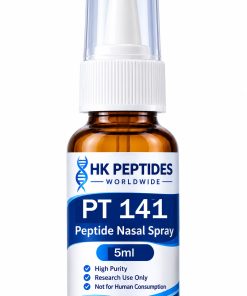
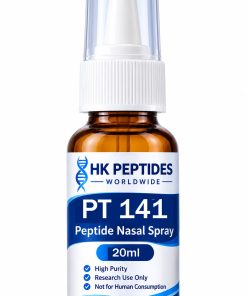
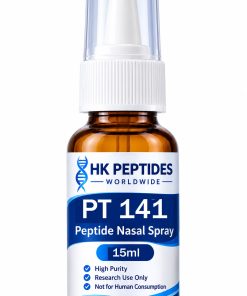
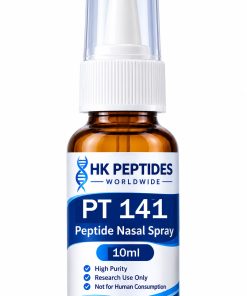
Nasal Spray Peptide
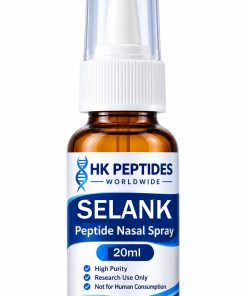
Nasal Spray Peptide
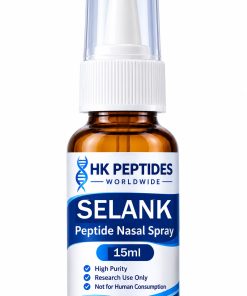
Nasal Spray Peptide
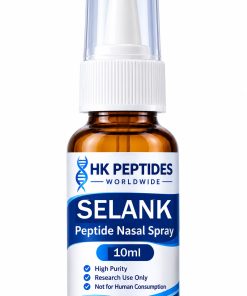
Nasal Spray Peptide
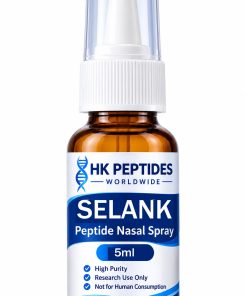
Nasal Spray Peptide
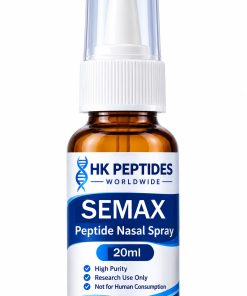
Research Grade Peptide
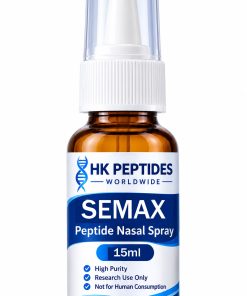
Nasal Spray Peptide
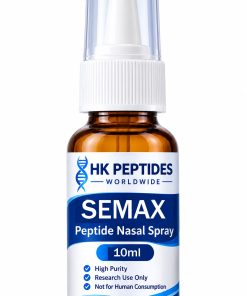
Nasal Spray Peptide
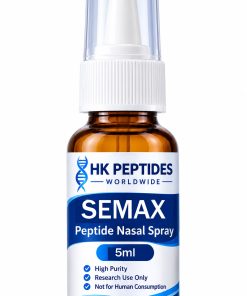
Nasal Spray Peptide