
Uncategorized
How Retatrutide Makes You Feel: A Practical Guide to the Patient Experience
Nov
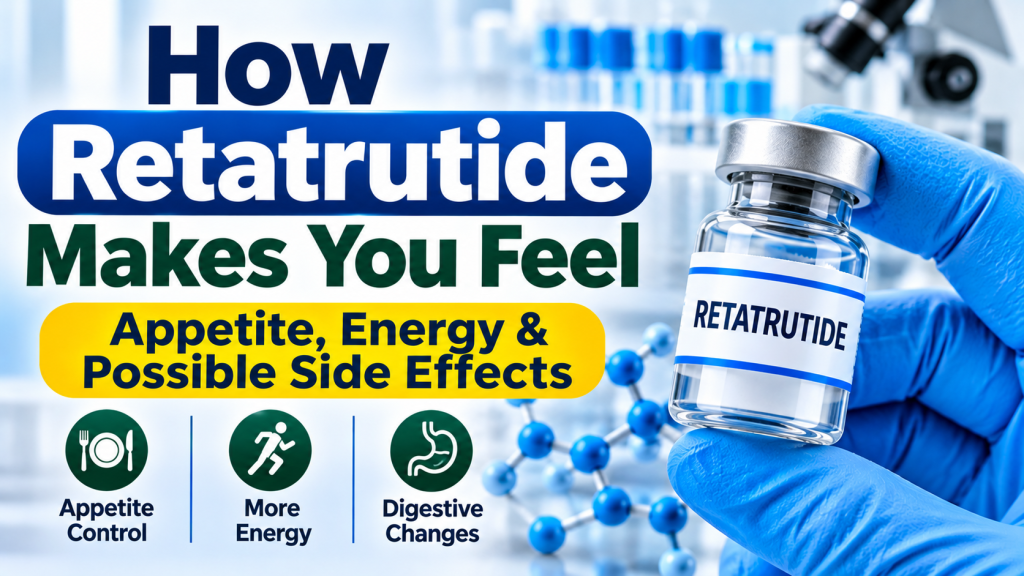
Retatrutide is an investigational triple-agonist peptide studied for weight management and metabolic health, and people researching how Retatrutide makes you feel usually want a straight answer: what does the day-to-day experience actually involve? Because the drug has not been approved by the U.S. Food and Drug Administration, most of what is known about its subjective effects comes from clinical trial reporting, published research, and anecdotal accounts from participants and early users. This guide separates what is documented from what is speculative, walking through the physical sensations, appetite changes, energy shifts, and emotional experiences most often associated with the compound—alongside the limitations of that evidence. Anyone considering any investigational peptide should treat this as educational context rather than medical advice and consult a qualified healthcare provider.
What Retatrutide Is and Why Its Effects Feel Different
Retatrutide (sometimes written LY3437943) is a single molecule engineered to activate three receptors at once: GLP-1, GIP, and glucagon. That triple mechanism is the key to understanding the user experience. Semaglutide and tirzepatide, by comparison, target one or two of these pathways. The glucagon component is especially relevant to how Retatrutide feels, because glucagon receptors influence energy expenditure and hepatic glucose output—not just appetite.
In practical terms, the compound’s effects show up across several domains at once:
- Appetite and food interest, driven largely by GLP-1 and GIP activity
- Digestive comfort, also GLP-1 related
- Energy and thermogenesis, influenced by the glucagon arm
- Blood sugar stability, a downstream effect of the combined mechanism
Because these pathways overlap with naturally occurring gut and pancreatic hormones, the felt experience tends to resemble a amplified version of normal satiety signaling rather than something wholly foreign. Understanding the general landscape of research peptides and how they are studied helps frame why individual responses vary so widely.
The Early Weeks: What Most People Notice First
Appetite suppression and reduced “food noise”
The most consistently reported early effect is a sharp drop in appetite and in what users describe as “food noise”—the background mental chatter about eating. Many trial participants report thinking about food far less often, feeling full quickly, and losing interest in habitual snacking. For some, this feels liberating; for others, it feels strange to eat a normal portion and feel genuinely done.
This effect typically builds over the first few weeks rather than arriving all at once. Dose escalation schedules in clinical research are designed partly to let the body adjust gradually, which smooths the intensity of early side effects.
Nausea and digestive adjustment
Gastrointestinal discomfort is the most commonly reported side effect across the GLP-1 family, and Retatrutide is no exception in reported data. Nausea, occasional vomiting, loose stools, or constipation can appear as the body adapts. Most accounts describe these as manageable and transient, easing after the first week or two at a given dose—but they can resurface with each dose increase.
Practical coping strategies reported by users include eating smaller, slower meals, prioritizing protein, staying hydrated, and avoiding high-fat or very large meals during the adjustment window.
Fatigue and the “low fuel” feeling
Early on, some people report tiredness or a general sense of running on less fuel. This often ties to reduced caloric intake rather than the molecule itself. When appetite drops quickly, intake can fall faster than the body’s energy needs, producing a mild energy dip until eating patterns stabilize.
How Retatrutide Makes You Feel at Steady State
Once someone has settled into a stable dose—typically after the titration phase—the experience tends to become less dramatic and more routine. The dominant feeling is usually neutral satiety: hunger exists but is quieter, meals satisfy sooner, and cravings are less intrusive.
Energy levels and thermogenesis
The glucagon component is thought to support energy expenditure, and some users report a subtle increase in body warmth or a sense that they are “burning” more efficiently. These reports are subjective and not a reliable measure of metabolic rate; actual energy expenditure changes require clinical measurement. Still, it is fair to say that many participants describe feeling less sluggish than they expected during a period of weight loss.
Mood and emotional experience
Mood changes are among the more variable reports. Some people describe improved mood and reduced anxiety around food, likely tied to the relief of compulsive eating patterns. Others report flatness, irritability, or mild anhedonia—a reduced ability to enjoy things—particularly in the first weeks. These are anecdotal observations, and clinical trials have not established a consistent mood signature.
Anyone with a history of depression, anxiety, or disordered eating should discuss mood monitoring with a clinician before and during any GLP-1–class exposure.
Sleep and hydration
Sleep quality varies. Some users sleep better as nighttime snacking stops; others report lighter sleep or occasional insomnia during dose increases. Because appetite suppression can reduce fluid intake, mild dehydration is a common and easily overlooked contributor to headaches and fatigue. Setting a hydration routine often resolves more complaints than people expect.
Side Effects That Shape the Experience
Understanding how Retatrutide makes you feel requires acknowledging the side effects that drive the felt experience. Reported effects include:
- Nausea and vomiting (most common, usually dose-related)
- Diarrhea or constipation
- Heartburn or reflux
- Headache, often linked to low intake or hydration
- Injection-site reactions such as redness or mild swelling
- Reduced appetite severe enough to cause undereating in sensitive individuals
Serious adverse events are less common but possible, and any severe abdominal pain, persistent vomiting, or signs of gallbladder or pancreatic issues warrant prompt medical attention. Since Retatrutide remains investigational in the U.S., the full safety profile is still being characterized in ongoing trials.
How Retatrutide Compares in Feel to Semaglutide and Tirzepatide
People often ask how the Retatrutide experience differs from better-known options. Drawing on published trial data and reported anecdotes:
| Compound | Receptors targeted | Commonly reported feel |
|---|---|---|
| Semaglutide | GLP-1 | Strong appetite suppression, notable nausea |
| Tirzepatide | GIP + GLP-1 | Smoother appetite control, fewer GI complaints for some |
| Retatrutide | GIP + GLP-1 + glucagon | Strong appetite control plus reported energy/thermogenic effects |
These comparisons are general impressions, not guarantees. Response is highly individual, and head-to-head subjective comparisons are limited. For a deeper look at how research compounds are evaluated and sourced, the peptide reference materials at HK Peptides Worldwide provide useful context.
Individual Variation: Why Two People Feel Very Different
No two people describe the same experience. Several factors shape how Retatrutide makes you feel:
- Dose and titration speed — starting low and increasing gradually reduces intensity of side effects.
- Baseline metabolic health — people with insulin resistance may notice different blood sugar responses.
- Diet composition — high-protein, moderate-fat eating tends to reduce GI discomfort.
- Body weight and body composition — larger bodies may metabolize and respond differently.
- Genetics and prior GLP-1 experience — people who have used related compounds often report a familiar, if stronger, pattern.
This variability is one reason clinical trials track patient-reported outcomes so carefully; the subjective experience is part of the data, not incidental to it.
What the Clinical Evidence Says About the Experience
Retatrutide has been studied in Phase 2 trials published in peer-reviewed journals, with larger Phase 3 trials ongoing. Reported results have generally shown substantial weight reduction alongside gastrointestinal side effects consistent with the GLP-1 class. Importantly, these trials measure outcomes such as body weight, HbA1c, and adverse events—not detailed mood or “feeling” metrics—so the subjective picture remains partly anecdotal.
Readers can review primary literature through resources like PubMed or the U.S. National Library of Medicine, and check trial registration details via ClinicalTrials.gov. Relying on primary sources rather than forum summaries is the most reliable way to understand what is and is not established.
Safety, Legality, and Responsible Use
Retatrutide is not FDA-approved for any indication. In the U.S., unapproved research peptides occupy a legally and clinically gray area, and products sold online are not guaranteed to match pharmaceutical-grade standards. Anyone considering use should understand:
- Purity and identity testing matter; unverified products carry unknown risk.
- Medical supervision is essential, especially with existing conditions or medications.
- Dose accuracy requires appropriate reconstitution and measurement.
- Red flags such as severe pain, persistent vomiting, or rapid heart rate should prompt immediate care.
These cautions apply to all investigational compounds. The most useful information on responsible handling of research peptides can help readers ask better questions of their healthcare provider.
Frequently Asked Questions
How long does it take to feel Retatrutide working?
Most reported accounts describe appetite changes within the first one to two weeks, with the full effect building over four to eight weeks as the dose is titrated upward.
Does Retatrutide make you tired?
Some users report fatigue early on, usually tied to reduced caloric intake and hydration rather than the compound directly. Energy often stabilizes once eating patterns adjust.
Will Retatrutide make me nauseous?
Nausea is the most commonly reported side effect, though intensity varies widely. Smaller meals, slower eating, and gradual dose increases typically reduce it.
Does Retatrutide affect mood?
Reports are mixed. Some people feel relief from food-related anxiety; others notice temporary flatness or irritability. Anyone with a mood disorder history should monitor closely with a clinician.
How does Retatrutide feel compared to semaglutide?
Many anecdotal comparisons describe stronger appetite suppression and a more noticeable energy effect, attributed to the added glucagon activity. Individual response still varies.
Is Retatrutide FDA-approved?
No. It remains investigational, and Phase 3 trials are ongoing to establish safety and efficacy.
Key Takeaways
How Retatrutide makes you feel depends on three layers: the drug’s triple-receptor mechanism, your individual physiology, and how carefully you manage dose and diet. Expect quieter hunger, possible early nausea and fatigue, and a steadier experience once you reach a stable dose. Mood and energy effects are real but variable and still under study. Because the compound is investigational, the most responsible path is informed, medically supervised use—and healthy skepticism toward any source that promises a uniform experience.
