
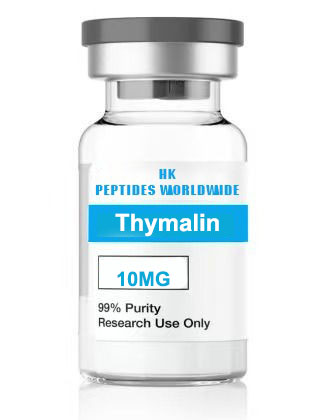
Thymalin 10 mg research peptide USA
Original price was: $70.00.$63.00Current price is: $63.00.
Bulk Price for 10 Vials.
Thymalin 10 mg is a research peptide studied in laboratory settings for its role in cellular biology, peptide interactions, and thymic-related research. It is supplied for scientific investigation and molecular research purposes only. Not intended for human or veterinary use.
Thymalin 10 mg Research Peptide USA: A Buyer and Researcher’s Guide
Thymalin 10 mg research peptide USA listings have grown quickly as laboratories and independent researchers look for well-documented thymic peptide material. Thymalin is a synthetic peptide complex modeled on a thymus-derived extract studied for its role in immune regulation and cellular signaling. This guide explains what the material is, how it is sourced, how to interpret purity documentation, and what to check before you browse peptide research products from any supplier in the United States.
Because search interest often mixes research questions with purchasing intent, this overview addresses both. You will find clear definitions, quality benchmarks, storage guidance, and practical buying considerations so you can evaluate any Thymalin 10 mg listing with confidence.
What Is Thymalin 10 mg Research Peptide?
Thymalin is a peptide preparation originally derived from bovine thymus tissue and later reproduced through synthetic chemistry. It belongs to the broader class of thymic peptides that researchers study in relation to immune function, T-cell activity, and age-related changes in immune response. A 10 mg vial refers to the total peptide mass contained in a single lyophilized (freeze-dried) unit.
In research settings, the designation “10 mg” tells you the quantity of material, not the dose. Researchers reconstitute the powder with a suitable solvent and calculate concentrations based on study design. The material is intended strictly for laboratory and in-vitro research, not for human or veterinary use.
Thymalin vs. Thymosin: Clearing Up the Confusion
Many people search for the Thymosin family of peptides using terms like buy Thymosin, Thymosin for sale, or where to buy Thymosin, and land on Thymalin listings. These are related but distinct:
- Thymalin is a multi-component thymic peptide complex studied for broad immune-modulating effects.
- Thymosin alpha-1 is a single 28-amino-acid peptide with a well-defined research literature.
- Thymosin beta-4 is a separate peptide associated with actin regulation and tissue repair research.
Suppliers sometimes use “Thymosin” loosely as a category label. Always confirm the exact peptide name and sequence on the certificate of analysis before assuming two products are interchangeable.
Why Researchers Search for Thymalin 10 mg in the USA
Domestic sourcing matters for practical reasons. Shipping within the United States reduces transit time, limits temperature swings that can degrade peptides, and simplifies tracking. Researchers also value suppliers who publish third-party test results and respond to technical questions.
Thymalin’s research appeal centers on immune signaling pathways. Published studies, including work indexed through the National Institutes of Health PubMed database, have examined thymic peptides in the context of immunosenescence and immune modulation. Researchers should read primary literature directly rather than relying on supplier summaries.
Common Research Contexts
Thymic peptide research typically appears in these areas:
- Immunology studies examining T-cell maturation and cytokine expression.
- Aging research exploring changes in immune competence over time.
- In-vitro signaling work using cell cultures to study peptide-receptor interactions.
- Comparative peptide analysis contrasting Thymalin with single-sequence thymosins.
Each context carries different material requirements, so match your vial size and purity grade to your protocol.
How to Evaluate Thymalin 10 mg Product Quality
Purity is the single most important variable in peptide research. A listing that does not specify purity or provide analytical documentation deserves scrutiny. Look for high-performance liquid chromatography (HPLC) results showing a defined peak and mass spectrometry (MS) data confirming molecular identity.
Reputable suppliers include a batch-specific certificate of analysis. That document should state the peptide name, sequence (where applicable), purity percentage, testing method, and date. If a supplier reuses a generic certificate across batches, treat that as a red flag.
Purity, Appearance, and Handling
A properly lyophilized peptide arrives as a white to off-white cake or powder. Discoloration, clumping, or a melted appearance suggests heat exposure during shipping. Inspect vials on arrival and document any concerns immediately with photographs.
Sterility and endotoxin testing are additional markers of a serious supplier. For cell-culture work, endotoxin levels can affect experimental outcomes, so ask whether testing was performed and request the results.
Storage, Reconstitution, and Thymalin Dosage Considerations
Search interest in Thymalin dosage usually reflects a misunderstanding of what research material is. There is no universal dosage because the compound is not approved for human use, and researchers determine concentrations based on published protocols and their own study parameters. Suppliers who publish suggested human dosing schedules are overstepping legal and ethical boundaries.
Store lyophilized vials in a freezer at the temperature specified by the manufacturer, typically well below freezing, protected from light. Once reconstituted, peptide solutions are generally less stable and should be handled according to your protocol and the supplier’s guidance.
Practical Bench Notes
Use sterile technique when reconstituting. Add solvent gently down the vial wall rather than directly onto the powder, and swirl rather than shake to avoid foaming and denaturation. Label each vial with reconstitution date and concentration. For a wider view of handling standards, see the peptide storage guidance available from your supplier’s resource pages.
Where to Buy Thymosin and Thymalin: What to Check
Searches for Thymosin near me or where to buy Thymosin often return local retail results that do not apply to research peptides. Research materials are sold through laboratory suppliers, not pharmacies or general retailers, and legitimate vendors ship domestically with clear documentation.
Before ordering Thymalin 10 mg, verify these points:
- Batch documentation: A certificate of analysis matching the lot number on the vial.
- Domestic shipping: Clear statements about transit times and temperature control.
- Research-use labeling: Explicit “not for human consumption” language.
- Technical support: Responsiveness to questions about purity, solubility, and storage.
- Return policy: Terms that address damaged or compromised shipments.
If a listing omits purity data or makes therapeutic claims, look elsewhere. Such omissions signal weak quality control.
Understanding hk peptides Listings
Researchers sometimes abbreviate supplier names when searching, which produces queries like hk peptides. If you encounter shorthand variations, confirm you are on the official supplier site rather than a reseller or impersonator. Verify the domain, check contact details, and confirm the product page displays consistent batch information. Counterfeit peptide vials are a documented problem in the research market, so domain verification is not optional.
Legal and Ethical Context in the United States
Research peptides occupy a specific regulatory space. Thymalin is not an FDA-approved drug, and materials sold for research are labeled accordingly. The U.S. Food and Drug Administration publishes guidance on compounding and unapproved substances that researchers should review to understand the boundaries.
Buying research peptides does not authorize human use. Researchers affiliated with institutions should also confirm their protocol meets institutional review and biosafety requirements. Individual purchasers should understand that “research use only” is a legal designation, not a marketing formality.
Documentation for Institutional Buyers
Academic and commercial laboratories often need invoices, safety data sheets, and certificates of analysis for procurement records. Ask in advance whether the supplier provides these documents and whether they can supply them before purchase rather than after. Institutional procurement teams increasingly require this transparency.
Red Flags to Avoid
The research peptide market includes sellers who trade on vague claims and unverifiable quality. Protect your work by recognizing these warning signs:
- No certificate of analysis, or a certificate that does not match the batch.
- Claims of curing, treating, or preventing disease.
- Unusually low prices inconsistent with third-party testing costs.
- No physical address or verifiable business contact.
- Pressure tactics or countdown timers on product pages.
- Stock images instead of actual product and laboratory photos.
A supplier that invests in testing and publishes results will almost always advertise that investment. Silence on analytical testing is informative in itself.
Frequently Asked Questions
What is Thymalin 10 mg research peptide?
It is a lyophilized thymic peptide complex supplied in a 10 mg vial for laboratory research. It is not a medication or supplement.
Is Thymalin the same as Thymosin?
No. Thymalin is a peptide complex modeled on thymus extract, while Thymosin refers to a family of distinct peptides including thymosin alpha-1 and thymosin beta-4.
What purity should I expect from a quality supplier?
Serious suppliers typically publish HPLC purity figures and supporting mass spectrometry data for each batch. Ask for the certificate of analysis tied to your specific lot.
Can I find Thymosin near me at a local store?
Research peptides are not sold through pharmacies or retail stores. Domestic laboratory suppliers handle shipping, and documentation should come with the order.
How should Thymalin 10 mg be stored?
Keep lyophilized vials frozen, protected from light, and sealed until use. Follow the manufacturer’s stated temperature range and the handling guidance in your research protocol.
Does buying research peptides permit human use?
No. Products labeled for research use only are not approved for human or veterinary consumption, regardless of where they are purchased.
Final Considerations Before Ordering
Thymalin 10 mg research peptide USA sourcing comes down to documentation, domestic logistics, and supplier transparency. Confirm the peptide identity, insist on batch-specific analytical testing, verify storage and shipping conditions, and read the research-use labeling carefully. Whether you are comparing thymosin products or building a thymic peptide research library, the same standards apply. A supplier that answers technical questions directly and publishes verifiable test data is worth the effort to find.
Be the first to review “Thymalin 10 mg research peptide USA”
Related products
Research Grade Peptide
Research Grade Peptide
Research Grade Peptide
Research Grade Peptide

Research Grade Peptide
Research Grade Peptide
Research Grade Peptide
Research Grade Peptide
Reviews
There are no reviews yet.