
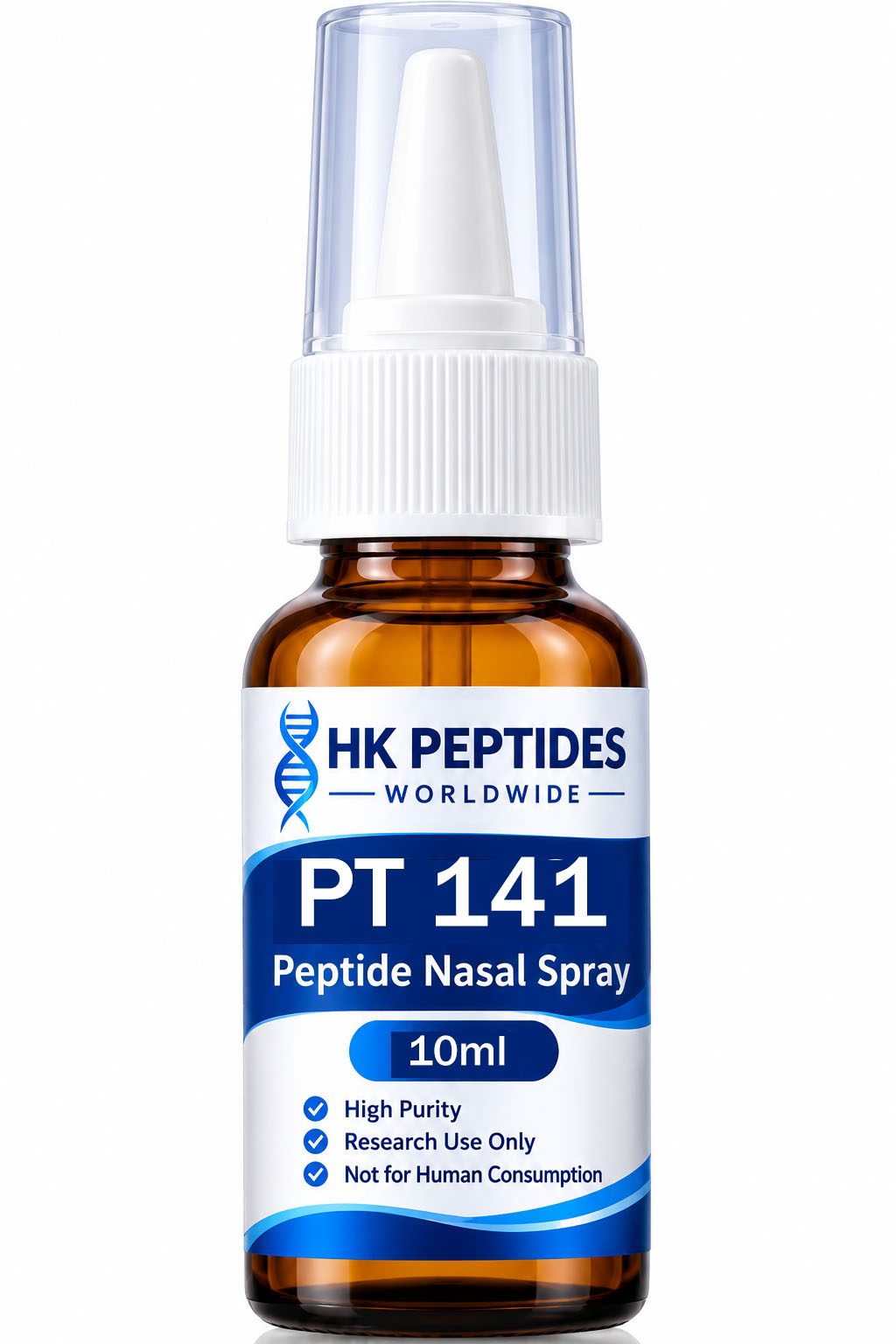
PT 141 10ml
Price range: $97.98 through $370.98
Bulk Price for 2, 5 and 10+ Vails,
A clear, straight-on product photo of a 10ml amber glass vial with a flip-off cap and white label reading “PT 141 10ml,” standing on a clean matte surface against a soft neutral gray background. Even, diffused lighting with a subtle reflection; the label text is crisp and legible, and the vial’s glass and cap are in sharp focus with no props or clutter.
PT 141 10ml: A Practical Guide to the Melanocortin Peptide
PT 141 10ml refers to a 10-milliliter vial of the peptide bremelanotide, a synthetic melanocortin-receptor agonist studied primarily in the context of sexual desire and arousal. Researchers and lab buyers in the United States often search for this listing when they need a larger-format supply for study or compounding work. This guide explains what the compound is, how a 10ml presentation is typically understood, what to verify before you purchase, and how to source it responsibly through a reputable US peptide supplier.
Understanding the basics first will help you read product listings with a critical eye and avoid common purchasing mistakes.
What Is PT 141?
PT 141 is the research code for bremelanotide, a cyclic peptide that acts on melanocortin receptors, particularly MC4R. Scientists have explored it for its effects on central pathways linked to sexual arousal. The compound is distinct from melanotan II, though the two share a melanocortin origin and are sometimes confused in casual conversation.
In research and reference settings, PT 141 appears as a lyophilized powder that is reconstituted with a suitable solvent before use. The “10ml” in a listing usually describes the vial size or the total reconstituted volume, so buyers should confirm exactly what that number refers to before ordering.
PT 141 Peptide vs. Melanotan II
Both compounds are synthetic melanocortin peptides, but they are not interchangeable. Bremelanotide was developed with a focus on sexual dysfunction research, while melanotan II has a different profile and history. Treating them as equivalents is a common error. Always match the compound name, sequence, and certificate of analysis to the specific product you intend to study.
How the 10ml Format Fits Research and Supply Needs
Larger-volume presentations appeal to buyers who run extended studies or who prefer to minimize repeat orders. A 10ml format can reduce shipping frequency and simplify inventory for a lab or clinic setting. That said, volume should never come at the expense of purity documentation.
For research buyers, the priority is consistency: the same peptide, the same concentration, and verifiable testing across batches. When you look to buy PT 141 10ml from any vendor, compare the stated format against the certificate of analysis so the numbers align.
Powder vs. Reconstituted Volume
A key distinction is whether “10ml” means the vial holds 10ml of liquid or that the powder is intended to be reconstituted to a 10ml total volume. These are not the same thing. Ask the supplier to clarify, because the difference affects dosing calculations in a research protocol and how you store the product.
Storage and Handling Considerations
Lyophilized peptides generally require cool, dry storage away from light, and reconstituted solutions are typically kept refrigerated. Follow the supplier’s specific storage guidance and your institution’s protocols. Proper handling protects peptide integrity and keeps your results reproducible.
What to Verify Before You Purchase
Buying research peptides online in the United States means doing your own diligence. Not every storefront meets the same standard, and labeling can vary widely. A short checklist helps you separate careful vendors from careless ones.
- Certificate of analysis (CoA): Look for batch-specific testing, ideally from an independent lab, with purity data.
- Ingredient and sequence clarity: The listing should state the exact peptide and format without vague language.
- Shipping and handling: Confirm cold-chain or protective packaging where needed.
- Return and support policies: Clear terms signal a professional operation.
- Transparent contact information: A real business address and responsive support matter.
If a listing is missing a CoA or uses unclear units, treat that as a warning sign. Reliable peptides supply USA vendors publish documentation and answer format questions directly.
Reading a Certificate of Analysis
A CoA should identify the batch, the test method (such as HPLC for purity and mass spectrometry for identity), and the results. Match the batch number on the CoA to the batch on your vial. If those numbers don’t correspond, the documentation doesn’t apply to your product.
Red Flags in Peptide Listings
Watch for prices that seem implausibly low, missing lab data, stock photos with no product detail, and claims that read like medical promises. Legitimate research suppliers describe what a compound is and how it’s tested, not what it will cure. Approach any vendor that blurs that line with caution.
Sourcing Responsibly in the United States
The U.S. research-peptide market includes many small vendors, and quality varies. A careful buyer checks whether the seller operates transparently, ships within stated timelines, and provides real documentation. Regulatory status matters too: many research peptides are sold strictly for laboratory or research use, not for human consumption, and listings should say so clearly.
When you search for a PT 141 peptide near me, local proximity is less important than documentation and reliable shipping. A well-run supplier can serve buyers nationwide with proper packaging and tracking.
Discreet Peptide Delivery and Packaging
Many buyers prefer plain packaging and tracking without conspicuous labeling. Ask whether the vendor offers discreet shipping and how the product is protected in transit. Good packaging keeps the peptide stable and protects your privacy at the same time.
Why Documentation Beats Convenience
A fast checkout means little if the vial arrives without testing data. Prioritize suppliers who make their CoAs easy to find before purchase, not only after. Documentation is the clearest signal that a vendor takes quality seriously.
Who This Information Serves
The most likely audience for a PT 141 10ml listing includes laboratory researchers, compounding professionals, and informed buyers comparing peptide sources. These readers generally want clear specifications, honest limitations, and straightforward purchasing details rather than marketing hype.
If you’re new to the category, start by learning the compound’s research context before comparing products. Understanding what PT 141 is—and what it is not—will make every subsequent decision easier.
Benefits and Limitations to Keep in Perspective
The appeal of a larger-format PT 141 listing is practical: fewer orders, consistent supply, and potentially better value per unit. Those are real advantages for anyone running repeated work. But volume doesn’t change the underlying nature of the compound or the need for careful handling.
Limitations deserve equal attention. Research peptides are not approved treatments, and their status varies. Effects studied in research settings don’t translate automatically to real-world use. Sound sourcing and realistic expectations go hand in hand.
Common Misconceptions
One frequent misconception is that a bigger vial guarantees better quality. Purity depends on manufacturing and testing, not size. Another is that “10ml” always means the same thing across vendors—confirm the format each time. Finally, don’t assume two similarly named peptides behave alike.
Frequently Asked Questions
What does “10ml” mean on a PT 141 listing?
It typically refers to the vial size or the total reconstituted volume, but usage varies by vendor. Confirm whether the number describes liquid volume or the volume after reconstitution before you order.
Is PT 141 the same as bremelanotide?
Yes. PT 141 is the research designation for bremelanotide, a synthetic melanocortin-receptor peptide. The two names refer to the same compound, though product formats differ.
Can I find a PT 141 peptide for sale in the U.S.?
Many U.S. vendors list research peptides online. Focus on sellers that publish batch-specific certificates of analysis and clear format details rather than the lowest advertised price.
How should research peptides be stored?
Lyophilized peptides are generally stored cool, dry, and protected from light, while reconstituted solutions are usually refrigerated. Follow the supplier’s guidance and your lab’s protocols for the specific product.
Are research peptides approved for human use?
Most research peptides are sold strictly for laboratory or research purposes and are not approved as medicines. Read each listing’s intended-use statement carefully and consult qualified professionals for any health questions.
How do I check peptide purity?
Request the batch-specific certificate of analysis, which should include HPLC purity results and mass-spectrometry identity data. Match the batch number on the document to the vial you received.
Final Takeaways
A PT 141 10ml product is best understood as a research-format supply of bremelanotide, and the “10ml” figure should always be confirmed against vendor documentation. Prioritize batch-specific testing, clear format descriptions, and dependable packaging over marketing claims. Buyers who verify these details make smarter decisions and avoid the most common sourcing pitfalls.
| Quantity | 2-4 vails $49.99, 5-9 vails $40.99, 10+ vails $ 37.99 |
|---|
Be the first to review “PT 141 10ml”
Related products
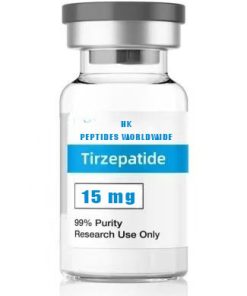
Research Grade Peptide
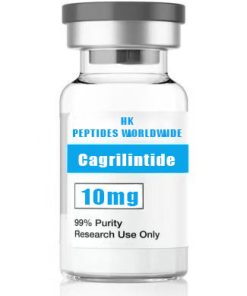
Research Grade Peptide

Research Grade Peptide
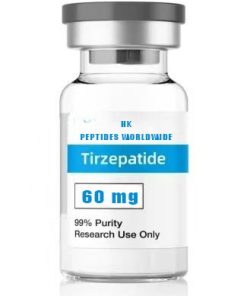
Research Grade Peptide
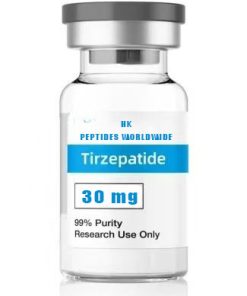
Research Grade Peptide
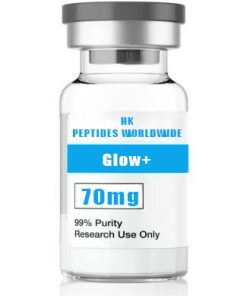
Research Grade Peptide
Research Grade Peptide

Research Grade Peptide
Reviews
There are no reviews yet.