
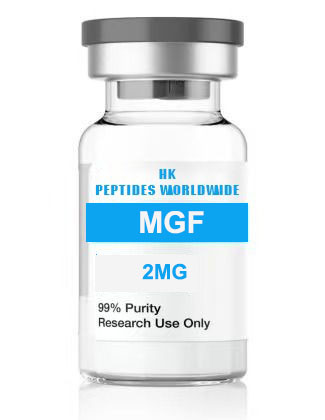
MGF 2 mg research peptide USA
Original price was: $77.00.$62.00Current price is: $62.00.
Bulk Price for 10 vials.
MGF 2 mg is a synthetic peptide supplied for laboratory and scientific research. It is studied in molecular biology, cellular signaling, and growth factor-related research. Intended strictly for research purposes and not for human or veterinary use.
MGF 2 mg Research Peptide USA: A Buyer’s and Researcher’s Guide
MGF 2 mg research peptide USA listings serve laboratory professionals who need a reliable, documented supply of Mechano Growth Factor for in-vitro and preclinical study. This guide explains what the peptide is, how it is supplied, what to check before you buy MGF online, and how to handle and store it correctly. It is written for research buyers in the United States—lab managers, academic investigators, and independent researchers—who value verified quality over a quick, unverified bargain. Whether you are sourcing for the first time or comparing suppliers, the same fundamentals apply: purity data, documentation, cold-chain integrity, and clear handling instructions.
What Is MGF and Why Researchers Study It
Mechano Growth Factor (MGF) is a peptide derived from the insulin-like growth factor 1 (IGF-1) gene. Alternative splicing of that gene produces a variant—often called IGF-1Ec in humans—that is expressed in response to mechanical loading and muscle damage. Researchers study MGF because of its proposed role in local tissue repair signaling and satellite cell activation.
Because MGF is a research compound, it is not approved for human or veterinary use in the United States. It is supplied strictly for laboratory investigation. Understanding this distinction matters: legitimate suppliers label products “for research use only” and provide the supporting data a lab needs to verify identity and purity before beginning work. For a broader look at available compounds, see the HK Peptides Worldwide research catalog.
MGF vs. PEG-MGF: A Quick Comparison
Two common forms appear in research supply:
- MGF (the native/E-domain peptide): Short half-life in biological systems; typically studied for localized signaling effects.
- PEG-MGF (pegylated MGF): A modified version with polyethylene glycol attached, generally associated with a longer circulation time in research models.
Each has different handling characteristics, so confirm which form a supplier is offering before ordering. Product pages should state the form, sequence, and molecular weight explicitly.
Key Specifications of a 2 mg MGF Vial
A 2 mg vial is a common research size because it supports small, controlled studies without excess waste. When reviewing a product listing, look for the following specifications to be stated clearly:
| Specification | What to Look For |
|---|---|
| Total content | 2 mg (2000 mcg) of peptide per vial |
| Form | Lyophilized (freeze-dried) powder |
| Purity | Third-party HPLC analysis, typically 98%+ |
| Identity confirmation | Mass spectrometry (MS) report |
| Appearance | White to off-white powder or cake |
| Storage | Refrigerated, protected from light |
Specifications should never be vague. A supplier who cannot state purity methods or provide a batch certificate is a supplier worth skipping.
What to Check Before You Buy MGF Online
Price is only one variable. The following checks separate a dependable research supplier from a risky one, which matters when you are searching for “MGF near me” or comparing domestic and international sellers.
Third-Party Testing and Certificates of Analysis
A certificate of analysis (COA) should match the specific batch you receive. It should list purity from high-performance liquid chromatography (HPLC), identity confirmation from mass spectrometry, and the testing date. Some suppliers publish lot-specific COAs; that is the stronger practice.
Cold-Chain and Domestic Fulfillment
Lyophilized peptides are generally stable at room temperature for short transit periods but are best shipped with temperature control. If you are buying within the United States, domestic fulfillment usually means shorter transit times and less exposure to heat. Ask how orders are packed during warmer months.
Transparency and Support
A reputable supplier answers technical questions about sequence, form, and storage. Clear contact options and responsive support reduce the risk of receiving the wrong variant (for example, PEG-MGF when you ordered native MGF).
For guidance on verifying documentation before ordering, the HK Peptides Worldwide quality standards outline testing and handling practices in detail.
MGF Dosage and Handling in Research Contexts
Researchers frequently search for “MGF dosage,” so this section addresses the question directly—while being clear about limits.
Why There Is No Standard Research Dose
There is no universal, officially recognized MGF dosage for human use, because MGF is not an approved drug. Published preclinical studies describe varied experimental protocols, routes, and concentrations in animal or cell-culture models. Replicating those protocols is a laboratory decision, not a product feature, and any human dosing guidance found online should be treated with caution—much of it is commercial marketing rather than peer-reviewed science.
Reconstitution and Storage Basics
For lab work, lyophilized MGF is typically reconstituted with a suitable solvent such as bacteriostatic water, following a protocol established by the investigating lab. General handling principles:
- Work in a clean, calibrated environment and use sterile technique.
- Store the lyophilized vial refrigerated and protected from light before reconstitution.
- After reconstitution, follow your protocol for refrigerated storage and avoid repeated freeze-thaw cycles.
- Record batch numbers and reconstitution dates for traceability.
Always follow your institution’s safety guidelines and applicable regulations. For authoritative background on peptide biology and research standards, consult the National Center for Biotechnology Information (NCBI).
Where to Buy MGF in the USA: Sourcing Checklist
When you look for MGF for sale, apply a consistent checklist rather than chasing the lowest price. The following filters help you compare suppliers fairly:
- Lot-specific COA with HPLC purity and MS identity data.
- Clear declaration of form (native MGF vs. PEG-MGF) and vial size.
- Domestic shipping with temperature-conscious packaging.
- Research-use-only labeling and honest limitations.
- Responsive technical support and a documented return policy.
A supplier who meets all five criteria is generally a safer choice than one who undercuts on price but omits documentation. Researchers often ask “where to buy MGF” and receive dozens of options; the checklist above narrows that list quickly and reduces the risk of receiving an under-dosed or mislabeled vial.
For readers comparing brands and sources, the HK Peptides Worldwide ordering guide explains how batches are tested, labeled, and shipped.
Quality, Purity, and What “Research Use Only” Means
“Research use only” (RUO) is not a marketing phrase—it is a regulatory designation. RUO products are not intended for human or veterinary consumption, diagnosis, or treatment. Legitimate suppliers sell MGF under this label and expect buyers to hold the appropriate research context.
Purity is equally important. A 98% HPLC reading indicates the peptide fraction in a sample; the remaining percentage reflects impurities, often fragmented or truncated sequences. Mass spectrometry confirms the product is the expected molecule. Together, HPLC and MS give researchers confidence in identity and consistency. For information on FDA oversight of products marketed for human use, review the U.S. Food and Drug Administration guidance.
Common Mistakes to Avoid When Sourcing Peptides
Even experienced buyers encounter pitfalls. Watch for these:
- Skipping the COA. Never rely on a listing’s headline purity claim; check the batch document.
- Ignoring shipping conditions. Heat exposure during summer transit can degrade peptides.
- Confusing variants. Native MGF and PEG-MGF are not interchangeable in a protocol.
- Overlooking storage. Poor handling after delivery can undermine even a high-purity vial.
- Trusting unverified “dosage” guides. Commercial blogs are not peer-reviewed literature.
Frequently Asked Questions
What is MGF 2 mg research peptide used for?
MGF is studied in laboratory settings for its role in tissue repair signaling and muscle-related gene expression. It is supplied for research use only and is not approved for human or veterinary consumption.
How should I store an MGF 2 mg vial?
Store the lyophilized vial refrigerated and away from light. Once reconstituted, follow your lab’s protocol for refrigerated storage and avoid repeated freeze-thaw cycles.
What is the difference between MGF and PEG-MGF?
Native MGF is the unmodified E-domain peptide, while PEG-MGF includes a polyethylene glycol attachment associated with a longer circulation time in research models. Confirm the form before ordering.
Is there an official MGF dosage?
No. There is no approved human dosage for MGF. Published data come from preclinical models, and human dosing guidance online is generally not scientifically validated.
How can I verify MGF purity before buying?
Request a lot-specific certificate of analysis showing HPLC purity and mass spectrometry identity results. A reliable supplier provides this without hesitation.
Can I buy MGF in the USA with domestic shipping?
Yes many research suppliers ship within the United States. Prioritize sellers who use temperature-conscious packaging and provide clear tracking and documentation.
Final Takeaways
Buying MGF 2 mg research peptide in the USA comes down to documentation, form clarity, cold-chain care, and honest labeling. Researchers who verify lot-specific testing, confirm the peptide variant, and handle storage carefully get more reliable material and fewer surprises. Use the sourcing checklist above, treat “research use only” seriously, and let verified data—not price alone—guide your decision.
Be the first to review “MGF 2 mg research peptide USA”
Related products
Research Grade Peptide
Research Grade Peptide
Research Grade Peptide
Research Grade Peptide
Research Grade Peptide
Research Grade Peptide
Research Grade Peptide
Research Grade Peptide
Reviews
There are no reviews yet.