
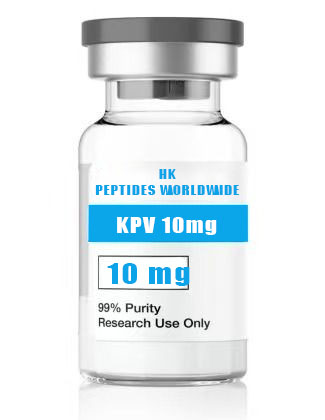
KPV 10 mg Laboratory-Grade Compounds: Buyer’s Guide
KPV 10 mg laboratory-grade compounds give researchers a practical, single-vial quantity of the tripeptide Lys-Pro-Val for in-vitro and analytical work. This guide explains what the compound is, how laboratory-grade material is verified, and what to check before you buy KPV online in the United States. If you are sourcing research materials and comparing suppliers, the sections below cover specifications, handling, storage, and compliance so you can make a confident purchasing decision.
KPV is a short peptide fragment related to alpha-melanocyte-stimulating hormone (α-MSH), and it appears widely in research literature on inflammation and mucosal biology. The 10 mg format is popular because it offers enough material for multiple controlled experiments without committing to bulk quantities. At HK Peptides Worldwide, researchers can review current listings and supporting documentation before ordering.
What Are KPV 10 mg Laboratory-Grade Compounds?
KPV 10 mg laboratory-grade compounds are research peptides supplied as a defined quantity of the Lys-Pro-Val tripeptide in a single vial. “Laboratory-grade” signals that the material is intended for controlled research settings rather than human or veterinary use. Suppliers in this category typically provide documentation such as a certificate of analysis (COA), purity data, and batch information.
The peptide belongs to the broader class of melanocortin fragments studied in immunology and cell-signaling research. Because the sequence is only three amino acids long, synthesis is relatively straightforward, which means quality differences between suppliers usually come down to purification standards, testing, and handling rather than the basic chemistry.
Why the 10 mg Format Matters
Researchers often prefer 10 mg vials for pilot studies and method development. The quantity supports repeatable experiments while limiting waste if a protocol changes. Smaller vials also reduce the number of freeze-thaw cycles a single stock solution endures, which helps preserve peptide integrity over time.
Who Buys KPV for Research
The most common buyers are laboratory researchers, academic groups, and independent analytical chemists studying peptide behavior. Buyers should confirm that their institution’s policies permit the purchase of research peptides and that the material will be used strictly for non-clinical laboratory work.
How Laboratory-Grade Quality Is Verified
Quality verification separates serious suppliers from casual resellers. A credible KPV listing should include a batch-specific COA, a stated purity level determined by high-performance liquid chromatography (HPLC), and mass spectrometry confirmation of molecular identity. Ask for these documents before purchase if they are not published.
Purity claims deserve scrutiny. A supplier that lists “99% purity” without a chromatogram or batch reference gives you little to verify. Reputable vendors tie every certificate to a specific lot number and manufacturing date so the document matches the vial in your hands.
Documentation to Request Before You Buy
Before you complete an order, confirm the following: a batch-specific COA, the analytical methods used, storage recommendations, and the supplier’s shipping and returns policy. If a vendor cannot supply a COA on request, treat that as a red flag regardless of price.
Storage and Handling Basics
Most lyophilized (freeze-dried) peptides should be stored refrigerated or frozen and protected from light and moisture, following the supplier’s label instructions. Once reconstituted, solutions are typically kept cold and used within a defined window. Always defer to the specific COA and label rather than general assumptions, since handling requirements can vary by batch and formulation.
KPV 10 mg Specifications at a Glance
The table below summarizes the specifications researchers typically look for in KPV 10 mg laboratory-grade compounds. Confirm each value against the supplier’s current documentation, because listings and batches change over time.
| Specification | Typical Research Standard |
|---|---|
| Peptide sequence | Lys-Pro-Val (KPV) |
| Quantity per vial | 10 mg |
| Form | Lyophilized powder |
| Purity | Verified by HPLC (confirm exact figure in COA) |
| Identity confirmation | Mass spectrometry |
| Intended use | Laboratory research only |
| Documentation | Batch-specific certificate of analysis |
Note that purity percentages, fill tolerances, and packaging vary by manufacturer. The values above describe common expectations, not a guarantee for any specific product.
Where to Buy KPV Online in the US
When you search for KPV for sale or where to buy KPV, prioritize suppliers that publish documentation, ship domestically, and clearly label products for research use only. Price matters, but a lower price with no COA is not a bargain. Domestic US shipping generally reduces transit time and temperature risk compared with international orders.
If your search is “KPV near me,” you are likely looking for fast local fulfillment. Most research peptide suppliers operate online rather than through storefronts, so “near me” usually translates to a US-based warehouse with quick dispatch. Check the shipping origin and estimated delivery window before ordering.
Comparing Suppliers Without Getting Burned
Use a simple checklist: documentation, purity transparency, shipping speed, and clear research-use labeling. Read the return policy and confirm the supplier responds to pre-sale questions. A vendor that answers technical questions promptly is more likely to stand behind its product.
Why Researchers Choose HK Peptides
HK Peptides Worldwide supplies research-grade compounds with a focus on transparent documentation and reliable US fulfillment. You can browse available research peptides and lab supplies and review product details before checkout. Buyers who value clear labeling and consistent batches often start here.
Understanding KPV Dosage in a Research Context
KPV dosage is a frequent search term, but it deserves careful framing. In laboratory settings, “dosage” refers to concentrations and exposure levels defined within a specific experimental protocol, not to any human or veterinary application. Public search interest in dosing often comes from wellness discussions, which fall outside the scope of laboratory-grade products.
For research purposes, concentration decisions belong to the investigator and should follow published methods, institutional review, and safety guidance. Suppliers of laboratory-grade compounds generally do not provide human dosing advice, and products labeled for research use only are not intended for consumption.
Reading the Literature Responsibly
If you are designing a study, consult peer-reviewed sources and your institution’s biosafety committee. The National Institutes of Health and its PubMed database are useful starting points for locating primary research. Interpret findings cautiously and avoid extrapolating cell-culture results to whole-organism outcomes.
What Suppliers Should and Should Not Tell You
A responsible supplier will explain purity, storage, and handling. A supplier that offers human dosing instructions for a research-only product is signaling poor judgment. Use that distinction as a filter when comparing vendors.
Common Questions About Buying KPV
Buyers new to research peptides tend to ask the same handful of questions. The answers below focus on sourcing and specifications rather than clinical use.
Is KPV legal to buy in the United States?
Research peptides occupy a nuanced regulatory space. Many are sold for laboratory use, and legality depends on the specific compound, intended use, and applicable state and federal rules. Confirm current regulations and your institution’s policies before purchase; this guide is not legal advice.
How should I store a 10 mg vial?
Follow the label and COA. Most lyophilized peptides are stored cold, kept dry, and protected from light. Avoid repeated temperature swings, which can degrade peptide integrity.
What purity should I expect?
Look for an HPLC purity figure stated on a batch-specific COA rather than a generic marketing claim. The exact acceptable threshold depends on your application, so define it before you shop.
Can I get faster shipping with “KPV near me” searches?
Local availability usually means a US-based supplier with domestic shipping. Check dispatch times and delivery estimates on the product page rather than relying on location keywords alone.
Do I need special documentation to order?
Requirements vary by institution and supplier. Many vendors request acknowledgment that the product is for research use only. Keep your COA and order records for your lab’s compliance files.
Final Checklist Before Checkout
Verify the COA, confirm the batch and quantity, review storage requirements, and check shipping origin. Set a purity threshold that fits your protocol and compare at least two suppliers against it. When you are ready to order, review the current KPV and peptide catalog to confirm availability and documentation, then complete your purchase with confidence.
Be the first to review “KPV 10 mg Laboratory-Grade Compounds”
Related products
Research Grade Peptide
Research Grade Peptide
Research Grade Peptide
Research Grade Peptide
Research Grade Peptide
Research Grade Peptide
Research Grade Peptide
Research Grade Peptide
Reviews
There are no reviews yet.