
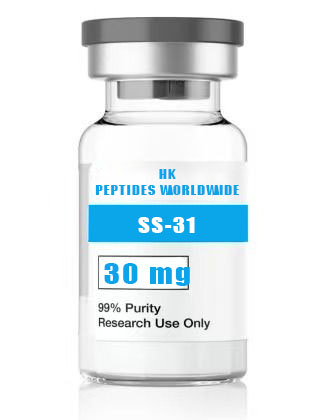
SS-31 30 mg Mitochondrial Research Peptide USA
Original price was: $201.00.$198.00Current price is: $198.00.
Bulk Price for 10 Vials.
SS-31 30 mg is a synthetic mitochondrial-targeting peptide studied in laboratory research for its interactions. It is explored in scientific studies involving mitochondrial function, oxidative stress, and cellular biology.
SS-31 30 mg Mitochondrial Research Peptide USA: A Buyer and Researcher Guide
SS-31 30 mg mitochondrial research peptide USA listings have become a common starting point for laboratory teams exploring mitochondria-targeted compounds. SS-31, also known as elamipretide, is a synthetic tetrapeptide studied for its interaction with cardiolipin on the inner mitochondrial membrane. This guide explains the peptide’s research background, what a 30 mg vial typically represents, and how to evaluate research-grade supply in the United States.
If you are sourcing material for a lab, you can review the SS-31 peptide product range at HK Peptides Worldwide to compare formats and documentation. The sections below focus on scientific context, specification questions, and purchasing considerations rather than human-use claims, because SS-31 remains a research compound in most commercial settings.
What Is SS-31 and Why Do Researchers Study It?
SS-31 is a short cell-permeable peptide that research literature associates with mitochondrial function. Its sequence is designed to localize to the inner mitochondrial membrane, where it binds cardiolipin, a phospholipid linked to membrane organization and energy production. Preclinical studies have examined these interactions in models of oxidative stress and metabolic dysfunction.
The compound is frequently described as a mitochondria-targeted antioxidant, though that label oversimplifies the biology. Published work has explored its effects on reactive oxygen species, cristae structure, and electron transport. Anyone sourcing SS-31 should read primary literature directly rather than relying on vendor summaries.
SS-31 vs. Elamipretide: Is It the Same Compound?
Yes, in most commercial and academic contexts, SS-31 and elamipretide refer to the same molecule. “Elamipretide” is the standardized name used in clinical and regulatory documents, while “SS-31” appears widely in earlier and preclinical research. Buyers comparing catalogs should treat the names as interchangeable but confirm the stated sequence and purity on each certificate of analysis.
The 30 mg Vial Format Explained
A 30 mg quantity is a common research-scale format, suitable for laboratories that need enough material for a defined series of experiments without ordering bulk quantities. Vials are typically supplied as lyophilized powder, which is more stable for shipping and storage than reconstituted solution.
Researchers should plan how a 30 mg supply maps to their protocol. Required mass depends on working concentrations, reconstitution volume, and the number of assay replicates. Documenting reconstitution solvent, concentration, and storage conditions at the outset protects both reproducibility and the remaining material.
Research-Grade vs. Lower-Grade Material
“Research grade” generally signals higher purity, verified identity, and documentation such as HPLC chromatograms and mass spectrometry data. For mitochondrial work, purity matters because contaminants can distort assay results. Ask suppliers for batch-specific analysis rather than a generic sample document.
Purity and Documentation to Request
A credible supplier should provide a certificate of analysis listing purity percentage, molecular weight confirmation, appearance, and storage recommendations. Independent third-party testing adds confidence. Keep these documents linked to your internal sample records so results can be traced to a specific lot.
Research Context: What the Literature Covers
SS-31 has been investigated in preclinical models involving mitochondrial dysfunction, cardiac and skeletal muscle function, and age-related cellular stress. Some clinical research programs have also examined elamipretide in rare mitochondrial disease contexts. Those programs do not establish safety or efficacy for general use, and commercial research peptides are not approved medicines.
Readers often ask whether research findings translate to supplements or self-experimentation. They do not. The responsible framing is that SS-31 is a laboratory tool with an evolving evidence base. Investigators should rely on peer-reviewed sources, institutional oversight, and their own protocols.
How to Read SS-31 Studies Critically
Check the model system, dose, route, and endpoint before drawing conclusions. In vitro findings rarely transfer directly to in vivo settings. Sample size, controls, and publication venue also matter. A useful starting point for broader context is the Wikipedia entry on mitochondria, which explains the organelle biology that underpins this research area.
Buying SS-31 Peptide in the USA: What to Evaluate
The U.S. research supply market includes many sellers, and quality varies. Buyers should verify business details, request batch documentation, and confirm that the product is labeled for research use only. Price alone is a poor guide; a low-cost vial without traceable analysis is difficult to justify in a regulated laboratory environment.
For teams comparing options, the HK Peptides Worldwide peptide catalog is a practical reference point for formats and specifications. Confirm shipping timelines, packaging, and cold-chain handling before ordering, especially for temperature-sensitive lyophilized material.
SS-31 Peptide Price and What Drives It
SS-31 peptide price reflects synthesis complexity, purity level, batch size, and testing depth. A 30 mg vial with full analytical documentation typically costs more than an undocumented listing. Rather than chasing the lowest figure, compare cost per milligram alongside the documentation package so the comparison is like for like.
SS-31 Peptide Wholesale and Bulk Supply Considerations
Labs planning repeated studies may benefit from bulk supply or wholesale arrangements. Ask about lot consistency, lead times, and whether larger quantities ship from the same production batch. Storage capacity also matters, since lyophilized peptide should be kept cool and dry. For institutional context on research material handling, the NIH Office of Research Integrity publishes guidance relevant to record-keeping and responsible conduct.
Local Sourcing: Buy SS-31 Los Angeles and Beyond
Searchers in California often look to buy SS-31 in Los Angeles for faster domestic delivery. Local availability can shorten transit time, but the same documentation standards apply. Whether you are in Los Angeles, Boston, or a university town in the Midwest, verify the supplier’s testing and labeling rather than assuming regional proximity guarantees quality.
Storage, Handling, and Laboratory Safety
Lyophilized SS-31 should be stored as directed by the supplier, generally in a cool, dry place protected from light. Once reconstituted, stability depends on solvent, concentration, and temperature, so follow the batch documentation and your institution’s protocols. Aliquot to reduce freeze-thaw cycles where appropriate.
Handle the powder in a controlled environment using appropriate personal protective equipment. This is a research chemical, not a consumer product. Dispose of waste according to institutional and local regulations, and keep material labeled and secured.
Common Questions About SS-31 30 mg Research Peptide
Is SS-31 approved for human use in the United States?
No. Commercially sold SS-31 is labeled for research purposes only. Some elamipretide candidates have been studied in clinical trials, but that is separate from research-peptide supply and does not confer approval for general use.
What does “research grade” mean for SS-31?
It generally means the peptide is synthesized and tested to a defined purity standard, with identity confirmed by analytical methods. Ask for a batch-specific certificate of analysis to see exactly what was tested.
How should a 30 mg vial be reconstituted?
Reconstitution depends on your protocol and the supplier’s guidance. Common laboratory practice uses appropriate solvents to reach a target concentration, followed by gentle mixing rather than vigorous agitation. Record everything.
Can I buy SS-31 peptide online in the USA?
Yes, many suppliers sell research peptides online. Confirm the seller’s documentation, shipping practices, and research-use-only labeling before ordering, and check that domestic delivery timelines suit your study schedule.
Does a higher SS-31 peptide price guarantee better quality?
Not automatically. Price often correlates with testing depth and purity, but the certificate of analysis is the real evidence. Compare documentation, not just cost.
Key Takeaways for Research Buyers
SS-31 30 mg mitochondrial research peptide USA supply is best evaluated on documentation, purity, and handling rather than marketing language. Understand that SS-31 and elamipretide describe the same compound, and that research-grade status depends on verifiable analysis. Whether you are sourcing a single vial or exploring bulk supply, the HK Peptides Worldwide store is one reference among several. Match your choice to your protocol, your institution’s standards, and the published science.
Be the first to review “SS-31 30 mg Mitochondrial Research Peptide USA”
Related products
Research Grade Peptide

Research Grade Peptide
Research Grade Peptide
Research Grade Peptide
Research Grade Peptide
Research Grade Peptide
Research Grade Peptide
Research Grade Peptide
Reviews
There are no reviews yet.