
HCG 5000iu: What It Is, How It’s Measured, and What Buyers Should Know
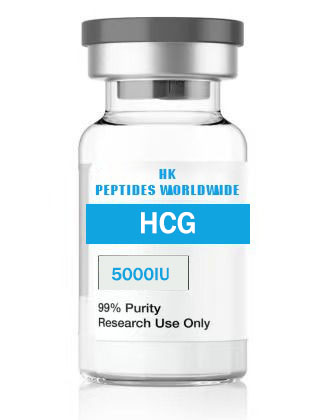
HCG 5000iu refers to a vial of human chorionic gonadotropin (hCG) containing 5,000 international units of the hormone, a format commonly sold as a lyophilized powder that must be reconstituted before use. If you’re researching peptides and hormone-related products, understanding what that number means—and what it doesn’t—will help you evaluate any listing more carefully. This guide explains the format, the measurement involved, typical dosing frameworks discussed in clinical literature, and how to judge quality when shopping.
HCG is a glycoprotein hormone produced naturally during pregnancy. In medical settings, pharmaceutical hCG is used for specific fertility treatments and, in some cases, for conditions involving low testosterone production. The 5,000 IU vial is one of several common sizes; smaller and larger presentations also exist depending on the manufacturer and market.
What HCG 5000iu Actually Means
The “5000iu” on the label is a potency measure, not a weight. International units (IU) express biological activity, so 5,000 IU tells you how much active hormone the vial contains before mixing. This distinction matters because dosing discussions in clinical references are almost always expressed in IU, not milligrams.
A 5,000 IU vial is typically paired with a diluent such as bacteriostatic water. Once reconstituted, the concentration depends entirely on how much diluent is added—a detail buyers frequently overlook. Adding 5 mL versus 2 mL to the same vial produces very different concentrations per unit of volume.
Understanding the Vial Format
Lyophilized (freeze-dried) powder is the standard presentation because it preserves stability during shipping and storage. Manufacturers generally recommend refrigeration after reconstitution and protection from light. Unmixed vials are usually stored at controlled room temperature, though you should always follow the specific supplier’s instructions.
How Potency Is Measured
IU measurements for hCG are calibrated against reference standards, which is why reputable manufacturers publish assay results. Independent third-party testing—typically high-performance liquid chromatography (HPLC) for purity and mass spectrometry for identity—is the most reliable way to confirm a vial contains what the label claims.
Why People Look for HCG Information
Search interest around hCG spans several distinct audiences. Some users are navigating prescribed fertility protocols. Others encounter hCG in fitness and wellness discussions, where it is sometimes mentioned in relation to testosterone production during or after certain therapies. A third group is simply trying to understand the product before making a purchase decision.
Because these audiences have very different needs, generic online content often conflates them. A careful reader should separate clinical use—which requires a licensed prescriber—from general curiosity about peptides and hormone products. For broader background on product categories and formats, the HK Peptides Worldwide catalog is a useful reference point.
HCG Dosage: What the Clinical Literature Says
HCG dosage varies widely by indication, and there is no single “correct” dose. In fertility contexts, clinicians typically prescribe specific regimens tailored to the individual patient, often measured in hundreds to a few thousand IU per administration. In other contexts, doses are generally lower and carefully monitored.
What matters for informational purposes is this: dosing is a medical decision, not a shopping decision. Anyone discussing HCG dosage should do so with a qualified healthcare provider who can account for individual factors. Self-directed use based on forum posts or unverified sources carries real risk, including hormonal disruption.
Factors That Affect Dose
Body weight, the clinical goal, prior treatment history, and response monitoring all influence how a clinician approaches dosing. Timing and frequency also matter. Because these variables interact, copying someone else’s protocol is not a reliable strategy.
Reconstitution Math Matters
If a vial contains 5,000 IU and you add a known volume of diluent, the concentration per milliliter is straightforward to calculate. Getting this wrong is one of the most common sources of dosing error reported in user discussions. Always verify the math independently rather than relying on a single source.
Buying HCG Online in the United States: What to Check
Searches for “buy HCG online,” “where to buy HCG in USA,” and “buy HCG near me” all reflect the same core question: how do you tell a legitimate listing from a risky one? The answer starts with documentation, not price.
In the U.S., hCG products marketed for human use are regulated, and legitimate pharmaceutical versions require a prescription. Suppliers selling “research use only” materials operate under a different framework and should label products accordingly. Understanding which category a listing falls into is the first filter.
Third-Party Testing and Certificates of Analysis
A certificate of analysis (COA) from an independent lab is the strongest available signal of product quality. Look for the lab’s name, the test date, the methods used, and results that match the batch number on the vial. Vague or undated COAs are a warning sign.
Packaging, Storage, and Shipping Claims
Reputable sellers explain how products are stored and shipped, including temperature control where relevant. They also provide clear contact channels and return policies. For additional context on sourcing standards, see this overview of verified peptide sourcing practices.
Red Flags When Buying HCG for Sale
Be cautious with listings that promise guaranteed results, omit testing data, or use pressure-driven language. Extremely low prices on “HCG for sale” often indicate underdosed or mislabeled product. You can also check U.S. Food and Drug Administration resources for guidance on unapproved and counterfeit products.
HCG Reviews: How to Read Them Critically
HCG reviews are plentiful online and vary enormously in quality. The most useful ones describe shipping timelines, packaging condition, and whether documentation matched the product received. The least useful ones focus on subjective effects without context—and those are the easiest to fabricate.
When scanning reviews, look for specific details and consistent patterns across multiple sources. A single glowing testimonial tells you little. Repeated, detailed reports about documentation and packaging are more meaningful. For orientation on what quality documentation looks like, the U.S. Pharmacopeia publishes standards that underpin legitimate testing.
Safety and Legal Considerations
HCG is a hormone, and hormones affect the body in ways that are not always predictable. Potential side effects discussed in clinical literature include headache, mood changes, and injection-site reactions, among others. Anyone considering use should discuss it with a physician first.
Legality also varies. In the U.S., prescription requirements and import rules apply to hCG products intended for human use. Buyers should understand their obligations before ordering from any source, domestic or international.
Frequently Asked Questions
What does 5000iu mean on an HCG vial?
It indicates the vial contains 5,000 international units of active hormone, measured by biological activity rather than weight.
Is HCG 5000iu the same as 5000 mg?
No. IU and milligrams measure different things. HCG potency is expressed in IU, and there is no simple milligram equivalent.
Can I buy HCG online in the U.S. without a prescription?
Pharmaceutical hCG for human use generally requires a prescription. Products labeled for research use follow different rules and are not intended for human consumption.
How should HCG be stored?
Unmixed vials are typically kept at controlled room temperature; after reconstitution, refrigeration is standard. Always follow the supplier’s specific guidance.
Where can I find reliable HCG dosage information?
Clinical references and a licensed healthcare provider are the appropriate sources. Online forums are not a substitute.
How do I verify a supplier’s quality claims?
Request a batch-specific certificate of analysis from an independent lab, and confirm the batch number matches your vial. Cross-check supplier claims against PubMed-indexed research where relevant.
Be the first to review “HCG 5000iu”
Related products
Research Grade Peptide
Research Grade Peptide
Research Grade Peptide

Research Grade Peptide
Research Grade Peptide
Research Grade Peptide
Research Grade Peptide
Research Grade Peptide
Reviews
There are no reviews yet.