
Uncategorized
Peptides on the Rise: Exploring the Newest Advances in Scientific Research
Jan
Peptides on the Rise: Exploring the Newest Advances in Scientific Research
Introduction: Why Peptides Are Gaining Global Attention
Over the past decade, peptides have moved from a niche area of biochemical research into one of the most dynamic and promising fields in modern science. Researchers across disciplines—from molecular biology and pharmacology to regenerative medicine and biotechnology—are increasingly turning their attention to peptides for their versatility, specificity, and broad potential applications.
Peptides are no longer viewed simply as short chains of amino acids. Today, they are recognized as powerful biological messengers, precision tools for scientific discovery, and key building blocks in next-generation research models. As technology advances and analytical tools become more refined, peptide research is accelerating at an unprecedented pace.
This article explores the newest advances in peptide research, why peptides are rising in importance, and how ongoing scientific innovation is shaping the future of this rapidly expanding field.
What Are Peptides? A Scientific Overview
Understanding Peptides at a Molecular Level
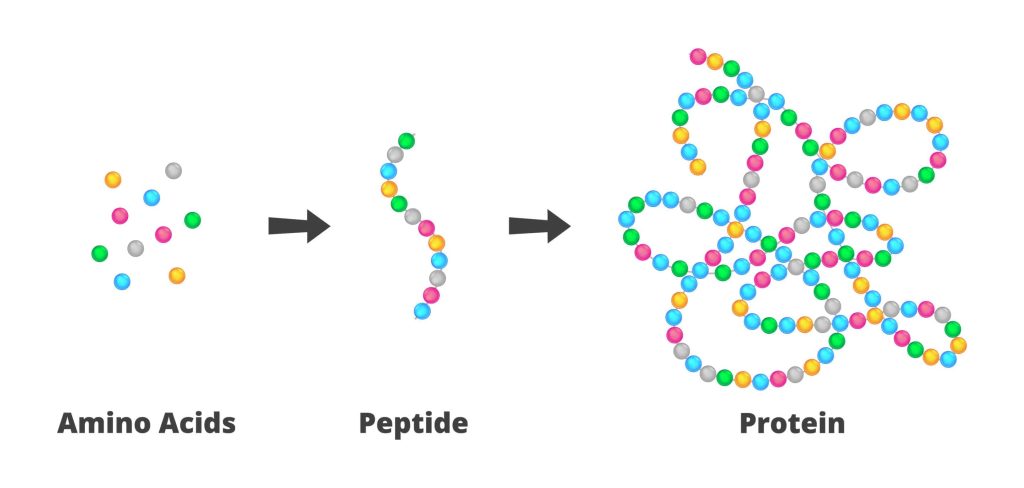
Peptides are short chains of amino acids linked together by peptide bonds. They sit structurally between individual amino acids and full-length proteins. While proteins may contain hundreds or thousands of amino acids, peptides typically consist of anywhere from two to around fifty amino acids.
Despite their smaller size, peptides can exhibit highly specific biological activity. Their structure allows them to interact precisely with receptors, enzymes, and other molecular targets, making them especially valuable in controlled scientific research environments.
Peptides vs Proteins: Key Differences
Although peptides and proteins are closely related, they differ in several important ways:
- Size and complexity: Peptides are smaller and structurally simpler.
- Stability: Peptides can be easier to modify and analyze.
- Target specificity: Peptides often bind more selectively to biological targets.
- Research flexibility: Peptides are easier to design, study, and optimize in laboratory settings.
These characteristics make peptides particularly attractive for experimental research and early-stage scientific exploration.
The Growing Role of Peptides in Modern Research
Why Scientists Are Focusing on Peptides
The surge in peptide research is not accidental. Several scientific and technological trends have converged to make peptides more relevant than ever before:
- Improved analytical tools such as mass spectrometry
- Better computational modeling and peptide design
- Increased interest in targeted and precision-based research
Together, these developments allow researchers to explore peptide behavior with greater accuracy and reproducibility than in the past.
Peptides as Biological Messengers
In natural biological systems, many peptides function as signaling molecules. They help regulate processes such as cell communication, immune responses, metabolic pathways, and tissue repair mechanisms. Understanding how these signaling peptides work has become a central focus of molecular and cellular research.
Recent Advances in Peptide Research
Improved Peptide Design and Engineering
One of the most significant breakthroughs in recent years is the ability to design peptides with enhanced stability and specificity. Through rational design and computational modeling, researchers can now predict how peptide sequences will behave in controlled environments.
This has led to the development of:
- Modified peptide structures with improved resistance to degradation
- Peptides with enhanced binding affinity
- Custom sequences tailored for specific research targets
These innovations are transforming peptides from naturally occurring molecules into highly engineered research tools.
Peptide Libraries and High-Throughput Screening
Another major advance is the use of large peptide libraries combined with high-throughput screening techniques. Scientists can now test thousands of peptide variants simultaneously to identify promising candidates for further study.
This approach dramatically accelerates discovery and reduces the time needed to identify peptides with desirable properties.
Peptides in Biotechnology and Laboratory Research
Applications in Cell and Molecular Biology
Peptides are widely used in cell culture studies, receptor binding research, and signal pathway analysis. Their precision allows researchers to isolate and study specific biological mechanisms without broadly affecting unrelated systems.
In laboratory research, peptides are commonly used as:
- Molecular probes
- Receptor agonists or antagonists
- Structural or functional models for larger proteins
Role in Diagnostic and Analytical Research
Peptides also play an important role in diagnostic research. They are used to develop assays, calibration standards, and analytical controls. Their predictable behavior makes them ideal reference materials in experimental workflows.
Peptides and the Future of Scientific Innovation
Integration with Artificial Intelligence and Data Science
One of the most exciting trends in peptide research is the integration of artificial intelligence and machine learning. AI models are increasingly used to predict peptide structure, stability, and interaction patterns.
By combining large datasets with computational tools, researchers can:
- Identify promising peptide candidates faster
- Reduce trial-and-error experimentation
- Optimize peptide sequences before synthesis
This data-driven approach is expected to significantly reshape how peptide research evolves over the next decade.
Peptides in Precision-Focused Research Models
As science moves toward more precise and targeted research methods, peptides are becoming essential components of experimental design. Their specificity aligns well with modern research goals that emphasize accuracy, reproducibility, and controlled outcomes.
Challenges and Considerations in Peptide Research
Stability and Degradation Issues
Despite their advantages, peptides can be sensitive to environmental conditions. Factors such as temperature, pH, and enzymatic activity can affect their stability. Ongoing research aims to improve peptide formulations and storage methods to address these challenges.
Regulatory and Ethical Considerations
As peptide research expands, regulatory frameworks and ethical guidelines continue to evolve. Responsible sourcing, proper labeling, and clear research-only designation are essential components of ethical peptide research practices.
The Global Landscape of Peptide Research
International Collaboration and Knowledge Sharing
Peptide research is a truly global effort. Universities, research institutes, and laboratories around the world contribute to advancing knowledge in this field. International collaboration has accelerated innovation and helped standardize research methodologies.
The Role of Specialized Research Suppliers
Reliable research suppliers play a critical role in supporting peptide studies by providing high-purity materials, consistent documentation, and transparent quality standards. This infrastructure is essential for reproducible and credible scientific research.
Looking Ahead: What’s Next for Peptides?
The future of peptide research looks exceptionally promising. As tools improve and interdisciplinary collaboration grows, peptides are likely to remain at the forefront of scientific exploration. Emerging areas such as synthetic biology, bioinformatics, and nanotechnology are expected to further expand the scope of peptide-based research.
Rather than being a passing trend, peptides represent a foundational element of modern scientific inquiry—one that will continue to shape research for years to come.
Frequently Asked Questions (FAQ)
What makes peptides important in scientific research?
Peptides offer high specificity, flexibility, and ease of modification, making them valuable tools for studying biological processes in controlled research environments.
Are peptides the same as proteins?
No. Peptides are shorter chains of amino acids, while proteins are longer and more complex. This difference gives peptides unique research advantages.
Why has peptide research increased in recent years?
Advances in synthesis, analytical technology, and computational modeling have made peptide research more accessible, efficient, and precise.
How are peptides used in laboratories?
Peptides are used as molecular probes, signaling models, analytical standards, and experimental tools in a wide range of scientific studies.
What does the future hold for peptide research?
Continued innovation, AI integration, and interdisciplinary collaboration are expected to drive major breakthroughs in peptide science.
