
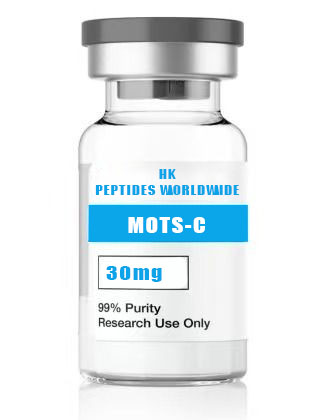
MOTS-c 30 mg Mitochondrial-Derived Research Peptide USA
Original price was: $178.00.$170.00Current price is: $170.00.
Bulk Price for 10 Vials.
Explore MOTS-c 30 mg, a mitochondrial-derived peptide supplied for laboratory and scientific research. This research compound is studied for its role in cellular metabolism, mitochondrial function, and metabolic signaling pathways. Ideal for researchers investigating mitochondrial biology and cellular energy regulation. Intended strictly for research purposes,
MOTS-c 30 mg Mitochondrial-Derived Research Peptide USA
MOTS-c 30 mg is a lyophilized mitochondrial-derived research peptide supplied in the United States for controlled laboratory study of metabolic signaling, cellular stress response, and mitochondrial communication pathways. This listing gives research teams a defined single-vial quantity, clear handling guidance, and research-grade documentation so experiments can be planned with confidence. Whether you are sourcing a first trial batch or comparing options to buy MOTS-c peptide in the USA, the details below explain what the product is, how it is used, and what to verify before ordering.
MOTS-c is a short peptide encoded within the mitochondrial 12S rRNA region, making it part of the small family of peptides that originate in mitochondria rather than the nuclear genome. Researchers study it largely because of its proposed role as a mitochondrial-derived regulator that may influence metabolic balance and stress adaptation. That scientific context is what drives commercial demand for defined-quantity vials such as this 30 mg format.
What MOTS-c 30 mg Is and Why Researchers Use It
Each vial contains 30 mg of lyophilized MOTS-c peptide intended strictly for in vitro research and laboratory analysis. The larger fill size suits multi-arm studies, dose-ranging protocols, and labs that expect to run repeated assays without reordering frequently. Because the material arrives as a stable lyophilized powder, it can be stored appropriately until reconstitution and use.
Researchers commonly work with this peptide to explore mitochondrial-nuclear communication, cellular energy regulation, and responses to metabolic stress in controlled model systems. It is not a therapeutic product and is not intended for human or veterinary use, diagnosis, or treatment.
Source, Purity, and Research-Grade Standards
A MOTS-c peptide research grade designation should mean the material is produced under controlled conditions and accompanied by documentation of identity and purity, typically through analytical methods such as high-performance liquid chromatography and mass spectrometry. Buyers should always request the certificate of analysis (COA) for the specific batch they receive rather than relying on a general product page.
This vial is presented as a research-grade material rather than a supplement or clinical product. The distinction matters: research-grade peptides are handled in laboratory settings with appropriate safety practices, and their documentation should trace to an identifiable production batch.
How Buyers Source MOTS-c Peptide in the USA
The MOTS-c peptide supplier USA market includes research chemical vendors, laboratory distributors, and wholesale-focused suppliers, and quality varies widely between them. A serious buyer checks batch documentation, storage requirements, shipping conditions, and supplier communication before committing to a size. For background on how such peptides are studied and categorized, the U.S. National Library of Medicine’s PubMed database is a useful starting point for reviewing published literature.
Peptides of this type are generally shipped in lyophilized form because it is more stable during transport than a reconstituted solution. Temperature control during shipping and clear handling instructions are reasonable expectations when ordering. For a broader range of compounds and formats, the HK Peptides Worldwide research catalog organizes products by category so labs can plan consolidated orders.
Placing an Order Through an Online Store
When you buy MOTS-c peptide in USA laboratories, the process usually follows a few standard steps: confirm the fill size, review the COA, check shipping and storage terms, and verify the payment and returns policy. A well-structured online store makes each of these steps visible before checkout rather than after.
Ordering from a MOTS-c peptide online store should also include clear contact channels. Researchers often need to ask about batch specific data or packaging, and a supplier that answers those questions promptly is usually easier to work with over repeat orders.
MOTS-c Peptide Price and Quantity Options
MOTS-c peptide price depends on fill size, purity level, packaging, and whether the order is a single research vial or part of a larger purchase. Larger fill sizes generally lower the effective cost per milligram, which is one reason the 30 mg format appeals to labs running extended protocols.
Prices in this category shift with supply conditions and should be confirmed directly with the supplier at the time of order. Rather than comparing headline numbers alone, weigh the cost per milligram against documentation quality and shipping reliability.
Bulk Supply and Wholesale Considerations
For institutions, core facilities, and distributors, MOTS-c peptide wholesale and MOTS-c peptide bulk supply arrangements can reduce per-unit costs and support longer study timelines. Bulk orders usually involve lead-time discussions, consolidated packaging, and batch allocation, so planning ahead helps.
Labs should confirm that bulk orders preserve the same documentation standards as single-vial purchases. A lower unit price means little if batch traceability or storage guidance is inconsistent across the shipment.
Key Product Specifications
The table below summarizes the main product attributes researchers typically review before purchasing. Confirm current specifications with the supplier, since packaging and documentation details can change between batches.
| Attribute | Detail |
|---|---|
| Product | MOTS-c mitochondrial-derived research peptide |
| Fill size | 30 mg per vial |
| Form | Lyophilized powder |
| Intended use | Laboratory research only; not for human or veterinary use |
| Documentation | Batch-specific certificate of analysis recommended |
| Storage | Cool, dry conditions; follow supplier reconstitution guidance |
Handling, Storage, and Reconstitution Basics
Lyophilized peptides are sensitive to heat, light, and moisture. Store vials in a cool, dry location as directed by the supplier, and avoid repeated temperature swings. Once reconstituted, handling requirements typically change, so follow the supplier’s guidance and standard laboratory practice for the solvent and concentration you choose.
Use clean technique and appropriate laboratory equipment throughout. Because this material is sold for research purposes only, any use should take place within an institutional framework that includes safety review and proper waste handling.
Documentation and Batch Traceability
A certificate of analysis links the material to a specific production batch and reports analytical results. Keep the COA with your lab records so that experimental findings can be traced back to the exact material used. This practice supports reproducibility and makes it easier to compare results across batches or suppliers.
Who This Product Suits
This 30 mg format fits academic research labs, contract research organizations, and independent investigators studying mitochondrial biology and metabolic signaling. It also suits distributors and core facilities that need a defined quantity for allocation or resale under wholesale terms.
It is not intended for clinical use, personal use, or any application outside controlled research. Buyers should be able to describe their laboratory context and confirm they understand the research-only restriction before purchase. A reputable research peptide supplier will make that restriction clear before checkout rather than in fine print afterward.
Frequently Asked Questions
What is MOTS-c 30 mg used for in research?
It is used in laboratory studies examining mitochondrial-derived signaling, metabolic regulation, and cellular stress responses. It is not a treatment and is not approved for human use.
Is a certificate of analysis provided?
Batch-specific COA documentation is the standard researchers should expect from a research-grade supplier. Request the COA for the exact batch before or at the time of purchase.
How should MOTS-c peptide be stored?
Store the lyophilized vial under cool, dry conditions away from light and moisture, and follow the supplier’s instructions for reconstitution and post-reconstitution handling. For general guidance on peptide storage and handling in laboratory settings, the U.S. National Institutes of Health publishes broad research practice resources.
Does the 30 mg size offer better value than smaller vials?
Typically, yes, because larger fills generally reduce the cost per milligram. Confirm current pricing and purity grade directly with the supplier.
Can labs order in bulk or at wholesale?
Many suppliers support wholesale and bulk supply for institutions and distributors, often with lead-time planning and consolidated packaging. Ask about minimum quantities and documentation consistency.
Where can researchers buy MOTS-c peptide in the USA?
Purchase through a supplier that publishes batch documentation, clear storage guidance, and responsive support. Reviewing the HK Peptides Worldwide product range is a practical way to compare formats and quantities.
Be the first to review “MOTS-c 30 mg Mitochondrial-Derived Research Peptide USA”
Related products
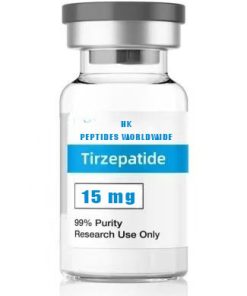
Research Grade Peptide
Research Grade Peptide
Research Grade Peptide
Research Grade Peptide
Research Grade Peptide
Research Grade Peptide
Research Grade Peptide
Research Grade Peptide
Reviews
There are no reviews yet.