
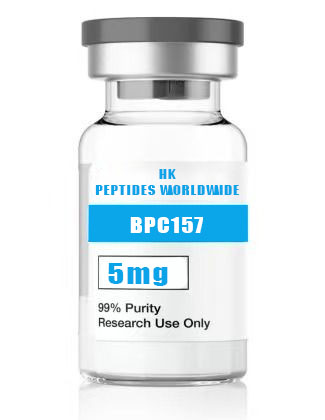
BPC-157 5 mg Body Protection Research Peptide USA
Original price was: $56.00.$48.00Current price is: $48.00.
Bulk Price for 10 Vials.
Research-grade BPC-157 5 mg lyophilized peptide for US laboratories, supplied with lot-matched HPLC and MS documentation for controlled in-vitro study. Research use only.
BPC-157 5 mg Body Protection Research Peptide USA: A Complete Research Guide
BPC-157 5 mg Body Protection Research Peptide USA is a lyophilized research compound supplied for controlled laboratory study of peptide stability, handling, and analytical verification. Researchers in the United States use this presentation when they need a defined 5 mg quantity, consistent documentation, and a format that suits in-vitro experimental design. This guide explains what the product is, how it fits into a research workflow, what to check before you buy, and how to source it responsibly from a qualified supplier.
The material is sold strictly for laboratory research. It is not a drug, supplement, or treatment, and it is not intended for human or veterinary use.
What the BPC-157 5 mg Research Peptide Actually Is
BPC-157 is a synthetic pentadecapeptide — a chain of 15 amino acids — widely studied in laboratory settings for its stability and behavior in controlled assays. The 5 mg designation refers to the quantity of peptide in each vial, supplied as a lyophilized (freeze-dried) powder that researchers reconstitute according to their own protocol.
Because it is a research-grade material, the defining characteristics are purity, identity confirmation, and documentation rather than consumer-friendly packaging. A reputable vial accompanies a certificate of analysis (COA) showing high-performance liquid chromatography (HPLC) purity and mass spectrometry (MS) identity results. Those two data points are the backbone of any credible research supply.
Why the 5 mg Format Suits Laboratory Work
Smaller vials reduce waste when a study calls for limited quantities or multiple experimental arms. The 5 mg size also makes it easier to control reconstitution volume precisely and to keep working solutions within a defined scope. For multi-phase projects, researchers often combine unit sizes rather than committing to one bulk format too early.
Lyophilized Powder vs. Pre-Mixed Solutions
Lyophilized powder generally offers better long-term stability than pre-mixed liquid because it removes the water that drives degradation. It also lets each laboratory choose its own solvent and concentration. The trade-off is that reconstitution must be done carefully and consistently, which is a variable the researcher controls rather than the supplier.
Who This Product Is For
The most relevant audience is laboratory professionals, academic research groups, and independent researchers investigating peptide chemistry in controlled, non-clinical settings. Buyers typically include:
- Research laboratories evaluating peptide stability and analytical methods
- Academic groups running in-vitro studies
- Analytical chemists verifying purity and identity of reference materials
- Procurement staff sourcing consistent research supply for ongoing projects
If you are not conducting laboratory research, this product is not appropriate for you. Understanding that boundary upfront protects both the researcher and the supplier.
Key Specifications Researchers Should Verify
Before ordering, confirm the specifications that matter for reproducible work. The table below outlines the parameters that separate a documented research material from an ambiguous listing.
Purity and Identity Documentation
Look for an HPLC purity figure and an MS molecular-weight confirmation on the COA, ideally with a batch or lot number that ties the document to the specific vial. A COA that cannot be matched to a lot number is not verification.
Storage and Handling Requirements
Lyophilized peptides are typically stored cold and protected from light and moisture. Follow the supplier’s stated storage conditions and your own institutional protocols. Do not assume stability information — request it.
How to Evaluate a BPC-157 5 mg Peptide USA Supplier
The BPC-157 5 mg peptide USA market includes a wide range of sellers, and quality varies considerably. A systematic evaluation protects your research integrity.
Documentation and Transparency
Ask for third-party analytical results, not just claims of in-house testing. Transparent suppliers publish or provide COAs per lot and are willing to answer specific technical questions. Explore the peptide research catalog to see how documentation is presented alongside each product listing.
Packaging and Cold-Chain Practices
Proper packaging matters for a moisture-sensitive powder. Discrete, secure containers and appropriate shipping conditions reduce the risk of degradation in transit. Ask how the material is protected during US domestic shipping.
Responsiveness and Technical Support
A supplier who can clarify reconstitution considerations, storage expectations, and order timelines is more useful than one who simply lists a price. Response quality is often a good proxy for overall reliability.
BPC-157 TB-500 5 mg Research Supply: Understanding the Comparison
Many researchers compare BPC-157 with TB-500, a synthetic fragment studied in its own right. Combining the two in a research context is a separate design decision, and the keywords below reflect how buyers search for these materials together.
What to Know About Combined Research Materials
If your protocol involves two peptides, verify that each is documented separately — one COA per compound with its own lot number. A combined listing should never blur which analytical results apply to which material. This is especially important when you order BPC-157 TB-500 5 mg online for a study that requires traceability.
Matching Format to Study Scope
Start with single vials when you are validating a method. Move to larger quantities only once your protocol is defined. This staged approach reduces cost and waste, particularly for pilot studies.
Buying Options: Single Vials, Wholesale, and Bulk Orders
Availability typically spans single vials for pilot work through larger volumes for established programs. Each format has a distinct use case.
Single Vial Purchases for Pilot Studies
A BPC-157 TB-500 5 mg vial for sale individually is the right starting point for method development or a small experiment. Single-vial availability also lets you test a supplier’s documentation and packaging before scaling up.
Wholesale and Bulk Ordering Considerations
Labs with recurring needs often ask about BPC-157 TB-500 5 mg wholesale or a BPC-157 TB-500 5 mg bulk order. In these cases, confirm lot consistency, lead times, and whether COAs are provided for each lot in the shipment. Bulk pricing that sacrifices traceability is not a saving — it is a risk to your data.
What Affects the BPC-157 TB-500 5 mg Product Price
BPC-157 TB-500 5 mg product price typically reflects purity level, documentation depth, analytical testing frequency, and volume. A premium BPC-157 TB-500 5 mg peptide generally commands more because of verified purity and complete records. Compare suppliers on documentation as carefully as on cost.
Quality Standards in Peptide Laboratory Research
Reproducibility depends on controlling variables — and starting material is the first variable. A BPC-157 TB-500 5 mg laboratory research program is only as sound as the reference material behind it.
Analytical Verification Methods
HPLC separates and quantifies components to establish purity, while MS confirms the molecular weight expected for the target peptide. Together they support identity and purity claims. Request both, and confirm they relate to your lot.
Avoiding Common Sourcing Pitfalls
The most common mistakes are accepting COAs without lot matching, ignoring storage requirements during shipping, and scaling to bulk before validating a single lot. Each is avoidable with a short checklist and a supplier willing to provide detail.
Purchasing Checklist Before You Order
Use this quick list to vet any BPC-157 TB-500 5 mg online supplier:
- Lot-matched COA with HPLC purity and MS identity data
- Clear storage and handling instructions
- Defined shipping and cold-chain practices
- Responsive technical support
- Transparent pricing across single-vial and bulk formats
- Compliance with research-use-only labeling
BPC-157 TB-500 5 mg Peptide Availability and Sourcing
BPC-157 TB-500 5 mg peptide availability fluctuates with demand and production cycles, so confirm current stock and lead times before planning an experiment. A BPC-157 TB-500 5 mg manufacturer or established distributor with consistent lot documentation is generally preferable to a reseller with unclear origins. For a BPC-157 TB-500 5 mg research supply that supports reproducible work, prioritize traceability over the lowest headline price.
Regulatory expectations for research peptides in the United States emphasize proper labeling, research-use-only designation, and lawful handling. Researchers should confirm their institution’s internal policies before purchase. For general context on peptide research and chemical safety, the U.S. National Library of Medicine and the National Institutes of Health are useful starting references.
Frequently Asked Questions
What is BPC-157 5 mg used for in research?
It is used as a reference material in controlled laboratory studies, typically for analytical verification, stability testing, and method development. It is not intended for human or veterinary use.
How should the lyophilized powder be stored?
Follow the supplier’s stated conditions — generally cold, dry, and protected from light. Confirm specifics on the COA or product documentation before storage.
Can I verify purity and identity?
Yes. Request an HPLC purity result and an MS identity confirmation, and confirm they match your lot number. Lot-matched documentation is the standard to expect.
What is the difference between single vials and bulk orders?
Single vials suit pilot work and method validation. Bulk and wholesale formats serve established programs with recurring needs, but should still include lot-specific COAs.
Is this product intended for human use?
No. It is sold strictly for laboratory research and is not a drug, supplement, or therapeutic product.
Be the first to review “BPC-157 5 mg Body Protection Research Peptide USA”
Related products

Research Grade Peptide
Research Grade Peptide
Research Grade Peptide
Research Grade Peptide

Research Grade Peptide
Research Grade Peptide
Research Grade Peptide
Research Grade Peptide
Reviews
There are no reviews yet.